








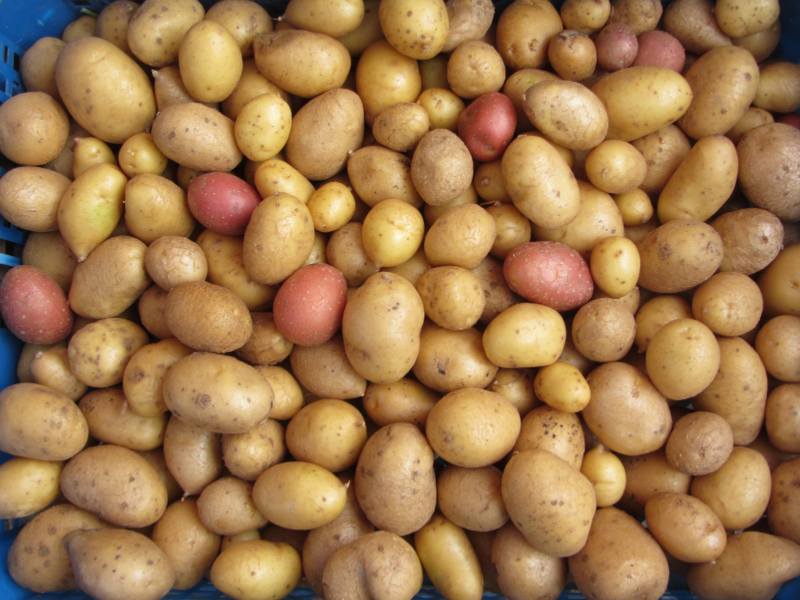
With only a few months remaining before the end of the 2025–2026 season, the NEPG is calling on processors to communicate quickly and clearly about their needs for the remainder of the season. For growers, it is neither economically justified nor viable to keep large volumes of potatoes in storage without clear market prospects.
Competitiveness and sustainability
While there is broad agreement that European processing plants must remain competitive in the global market for processed potato products, the NEPG warns that this objective cannot come at the expense of the sustainability of the European production model.
In addition to the long-standing and strong relationships between growers and processors, the sector must continue focusing on the development of more resilient potato varieties, capable of better coping with climate pressures such as reduced water availability and input constraints. Expanding seed production of these improved varieties will also be essential.
According to the NEPG, the long-term viability of the sector requires a balanced and respectful approach across the entire potato supply chain.
Contract outlook
The organisation is also urging growers to exercise caution when signing new contracts. Since contract prices are already known, most profits will likely come from potatoes sold on the open market, making it essential to limit planted areas even if seed availability remains abundant.
RELATED NEWS: More acreage and greater innovation for North Carolina sweetpotatoes
Although many growers fear that the volume they can contract may decrease, their main focus remains securing a contract. The NEPG warns that new requirements regarding varieties and quality standards must be clearly understood by all stakeholders.
Growers should only plant what they realistically expect to sell at a fair price. Any purchase offer without a clearly defined price should be rejected.
Risk of unsold potatoes
Uncontracted volumes or potatoes failing to meet quality standards could struggle to find buyers. The NEPG warns that growers must be aware of the technical, sanitary and environmental consequences of leaving unsold potatoes in the fields.
Alternative outlets should therefore be considered, including animal feed, biomethanisation or donations to charitable organisations.
Production costs and processed potato sales
For processors, better visibility regarding sales of processed potato products would help reflect the industry’s real needs and provide clearer guidance for growers.
On the production side, growers will need to reduce both acreage and costs. Although seed prices are generally declining, production costs may rise again if the conflict in the Middle East continues, particularly due to increases in energy, fertiliser and fuel prices