







FairFruit, a global regenerative agriculture company, has set a 2035 target to expand Fair Trade USA certification across its network of growers, building on 13 consecutive seasons of certified production in Guatemala and an established programme in Peru.
The initiative forms part of FairFruit’s strategy to develop a fairer food system based on fair pricing, long-term partnerships and greater investment at farm and community level. The company is also introducing living-wage benchmarking in line with SMETA and has established a priority roadmap for 2027, alongside a Supplier Code of Conduct covering governance, workers, communities and the environment.
Next step will be to increase both the number of Fair Trade Certified growers and the volume of certified produce sold. Currently, one in five FairFruit growers is certified by Fair Trade USA.
The company expects the expansion to give US buyers access to a consistent, year-round supply of Fair Trade Certified French beans, baby carrots, snow peas, sugar snaps and English peas from growers in Guatemala and Peru.
Growing the impact of the Fair Trade Premium
The programme also aims to increase the funds generated through the Fair Trade Premium, which are invested in projects selected by growers and workers at farm and community level.
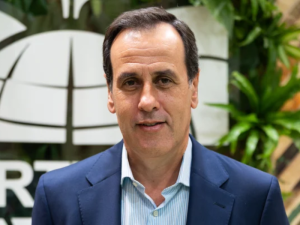
“We believe agriculture has the power to transform lives. FairFruit doesn’t just source from our communities; we build long-term partnerships around fair prices and stable opportunities,” says Evert Wulfrank, CEO of FairFruit USA. “After 13 years of committing to the Fair Trade USA programme in Guatemala and nine years in Peru, the practical next step is to increase our certified volume so the returns from the premium can grow.”
Currently, 177 FairFruit growers in Guatemala and 26 producers in Peru are certified by Fair Trade USA. To date, more than US$615,000 in Fair Trade Premiums has been generated in Guatemala and more than US$106,000 in Peru.
According to FairFruit, these funds have supported initiatives covering health, education and community infrastructure, as well as agricultural and environmental projects.
In Peru, investments have included drip irrigation and fertigation training, drinking water filters, a 1,200m² reservoir and replacement piping to provide clean water to a village. Other initiatives include equipment for a medical post, first-aid facilities, improvements to sanitation and canteen facilities at a local school, food baskets for producer families and health and safety measures for harvesting and plant workers.
Greater involvement for growers and workers
FairFruit also plans to give growers and workers a greater role in deciding how the Fair Trade Premium is allocated.
“By 2035 our ambition is to expand Fair Trade USA certification among our growers because the more producers and volume that we bring into the programme, the greater the opportunity to generate certified sales and invest the Fair Trade Premium where our communities believe they can have the greatest value,” explains Guy Trachez, FairFruit’s Sustainability Manager.
RELATED NEWS: FairFruit brings year-round peas and French beans to Canada
The company says that this approach is increasingly important as US buyers seek evidence of measurable impact rather than sustainability statements.
Traceability and governance
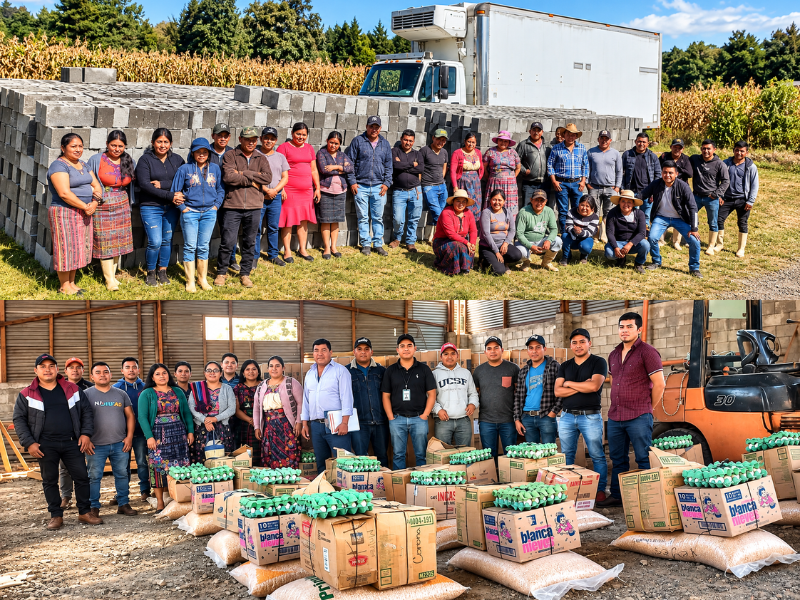
Fair Trade USA recently reviewed FairFruit’s programme during a visit to FairFruit Guatemala, where representatives met Fair Trade Committee members, farm workers and personnel from Guatemala and the US.
The discussions covered the governance of the Fair Trade Premium, the implementation of funded projects and FairFruit’s ERP-based traceability system, which the company says can trace each box back to its grower plot in less than a minute.
“The Fair Trade Premium is governed, not granted. A committee of workers and growers decides, the company supports implementation, and an auditor verifies,” says Trachez. “That governance is what turns certification into an ongoing partnership.”
FairFruit will present its growing programmes in Guatemala and Peru and its Fair Trade Certified produce at the Global Produce & Floral Show 2026, taking place from 14 to 16 October in Orlando, Florida.