









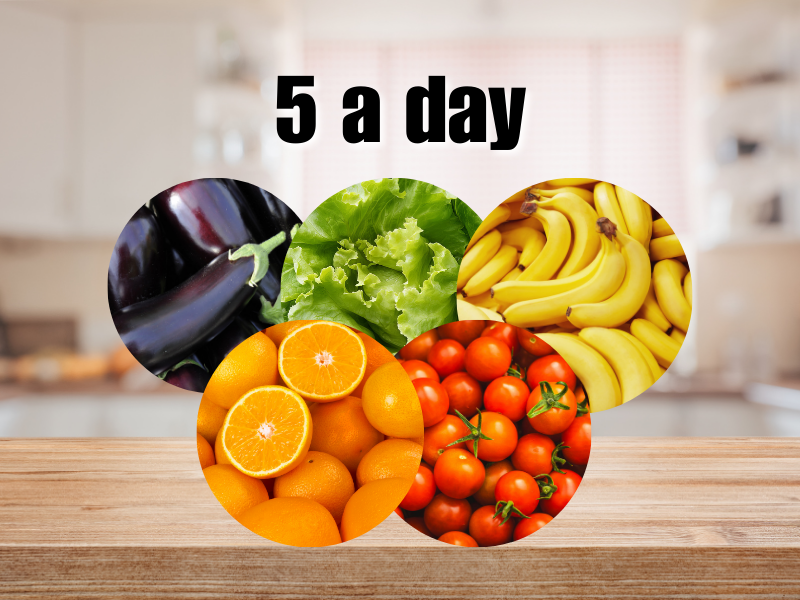
It is not a marketing claim either. It comes from the World Health Organization’s recommendation of at least 400 grams per day to help reduce the risk of cardiovascular disease, type 2 diabetes and certain cancers. On your plate, those 400 grams translate into roughly five portions of 80 grams.
So what makes them so special?
First, water: most fruit and vegetables contain more than 80–90% water, which helps with hydration, adds volume to meals and promotes satiety with very few calories.
Second, fibre: it slows the rise in blood sugar, improves bowel function, nourishes the gut microbiota and is associated with a lower cardiometabolic risk.
RELATED NEWS: A long way to go to reach the 400 g/day of fresh fruit and vegetables
Third, vitamins and minerals: think of the vitamin C in citrus fruit and peppers for immune support and better absorption of plant-based iron; folate in leafy greens for cell renewal; and potassium in bananas, avocados or tomatoes for blood pressure regulation.
And fourth, bioactive compounds (polyphenols and carotenoids), which act as antioxidants and anti-inflammatory agents: lycopene in tomatoes, lutein in leafy greens, and anthocyanins in berries.