







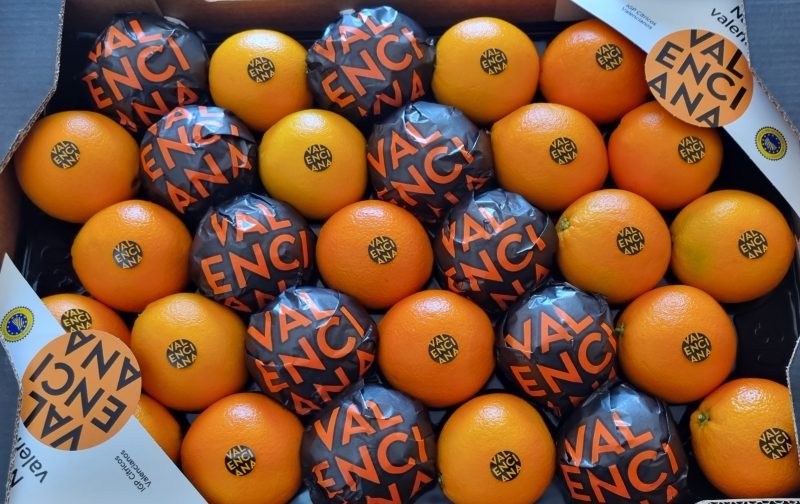
With new packhouses joining the scheme, stronger penetration in supermarket chains and the incorporation of ten varieties that reinforce its market presence, the Valencian Citrus Protected Geographical Indication (PGI) enters yet another expanding season—even as a smaller crop and a difficult start conditioned by the commercial “bottleneck” caused by South African fruit across Europe are expected.
The campaign is short in volume but not in commercial scope. According to José Enrique Sanz, director of the PGI, “the massive arrival of South African citrus—which has flooded cold stores and supermarket shelves throughout much of Europe—has delayed the entry of Navelina and slowed down the natural transition of the varietal calendar. The overlap was particularly intense between late October and mid-November, compromising the expected pace of commercialisation and delaying the switch to local varieties.”
Imported fruit undergoes more than 40 days of maritime transit and spends many additional days in cold storage, which is why complaints arise regarding aged fruit and loss of flavour at point of sale. In contrast, the PGI maintains its differentiated value: fresh oranges and mandarins with intact organoleptic quality and no weeks of storage behind them, able to deliver a recognisable flavour and a memorable eating experience.
Consistent presence
The varietal expansion marks a structural leap for the PGI. The integration of ten varieties—such as Orogrós, Clemensoon, Sando, Neufina, or hybrids like Leanri, Mandanova, Murina, Nadorcott and Orri—allows commercial cycles to run from October to May and enables supermarket programmes to cover the entire season with certified product.
This consolidates a strategic objective: complete clementine and mandarin calendars under the PGI label, ensuring consistency and continuity at point of sale.
Spanish retail vs. European retail
One of the key elements this season is the contrasting behaviour of retail markets.
Spanish supermarket chains have been quicker than their European counterparts to introduce PGI-certified produce, prioritising origin and quality. Major national operators have made the shift decisively, replacing South African fruit as soon as Valencian citrus reached optimal eating quality.
RELATED NEWS: Valencia awaits Its smallest citrus harvest in a decade
In the European market, however, the trend has been the opposite: South African fruit has remained the dominant option, even though many lots have not met the quality standards expected by European consumers.
The first cut: a powerful symbol
As every year, the official launch of the season is celebrated in the field with the traditional cutting of the first fruit by the Valencian regional government, alongside representatives from across the citrus sector. This gesture not only marks the start of the commercial calendar but also reaffirms the institutional and sectoral significance of the PGI as an identity, legal and economic tool for Valencian citrus growing.
A seal gaining weight
Beyond overall volumes—which may fall 10–20% compared with an average season—the key lies in the direction of growth: more exporters, more cooperatives and more supermarket chains join every year. In the past decade, the PGI has gone from testimonial figures to around 25 million kilos, and the challenge now is to surpass that threshold despite a short campaign.
According to Sanz, many new operators are expressing interest in joining the Valencian entity. “The contacts with private packhouses, new cooperative memberships and the growing involvement of supermarket chains confirm this trend: consumers recognise and demand certified Valencian orange.”