








The AVA-ASAJA experimental centre continues to expand its precision agriculture work through technologies capable of complementing growers’ direct field observations with the analysis of large volumes of data obtained from remote sensors.
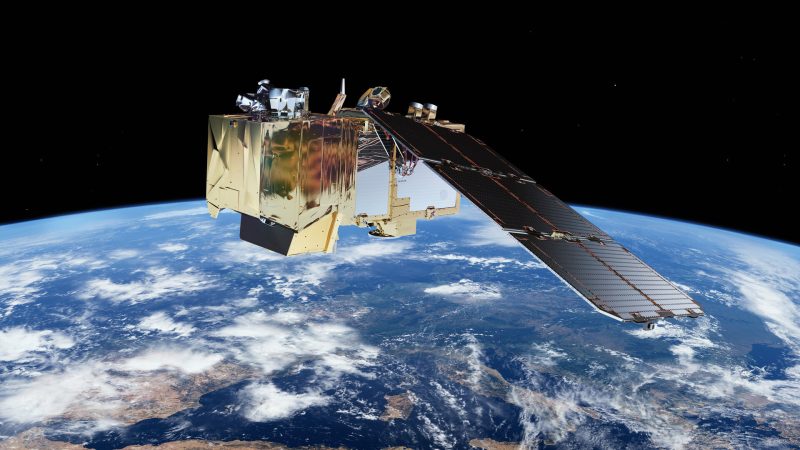
Remote sensing makes it possible to analyse the radiation emitted or reflected by crops in order to obtain information about their condition and development. The system uses data from satellites, drones, robots and measuring equipment located close to the ground.
An algorithm to detect mealybug in citrus
One of the main advances has been developed in citrus within the Agroalnext project, where researchers from the University of Valencia and AVA-ASAJA technicians have worked on an algorithm designed to detect the early presence of pests such as mealybug using satellite imagery and artificial intelligence models.
However, applying these tools to citrus is more complex than in more homogeneous crops.
The three-dimensional structure of the trees means that variables such as row orientation, the position of the sun and the angle from which the satellite observes the plot must be taken into account, as these factors can affect the accuracy of the models.
The objective is to develop sufficiently reliable tools so that data obtained from space can ultimately be translated into useful decisions for growers.
Monitoring wheat fertilisation from space
Sinyent Experimental Farm is also hosting trials on an experimental wheat plot subjected to different fertilisation levels.
The plots have been arranged so they can be aligned with pixels from satellite imagery, making it possible to monitor crop development throughout the season and compare plant response to different fertilisation strategies.
The work incorporates technologies and data sources linked to agricultural observation programmes such as NASA Harvest, which uses satellite imagery, artificial intelligence and other data to improve agricultural production estimates and strengthen food security.
Earth observation resources linked to the European Space Agency (ESA) are also being used.
Anticipating crop problems
The trials aim to move towards an agricultural model in which certain issues can be identified before they become visible through conventional field observation.
Remote sensing therefore opens up opportunities to detect crop health problems, make production forecasts, fine-tune fertilisation and improve resource-use efficiency.
Its adoption on farms could provide growers with more information to decide where and when to intervene, reducing unnecessary treatments and improving plot monitoring.
Innovation to address farming challenges
The president of AVA-ASAJA, Cristóbal Aguado, believes these projects reflect the growing need to incorporate new technological tools into agriculture.
“Innovation is no longer an option, but a necessity to guarantee the future of our farms,” says Aguado, who highlights the importance of collaboration between growers and research centres in developing solutions tailored to real farming challenges.
According to AVA-ASAJA, these technologies can help move agriculture towards a model that is more efficient, profitable and better prepared to cope with extreme weather conditions, resource scarcity and emerging pests.