




Innovation applied to the biological and metabolic balance of crops defines Viagro’s roadmap. The Almería-based company develops solutions that act on the microbiome and the physiological pathways of plants, with the aim of strengthening the resilience of production systems without using products that may entail toxicity.
Viagro has therefore built its innovation strategy on a clear premise: moving towards more balanced agricultural systems from a biological and physiological standpoint. The company focuses on developing functional inputs capable of regenerating both the crop microbiome and plant metabolic pathways—an approach that has already been validated within the Regenerative Agriculture Vademecum.
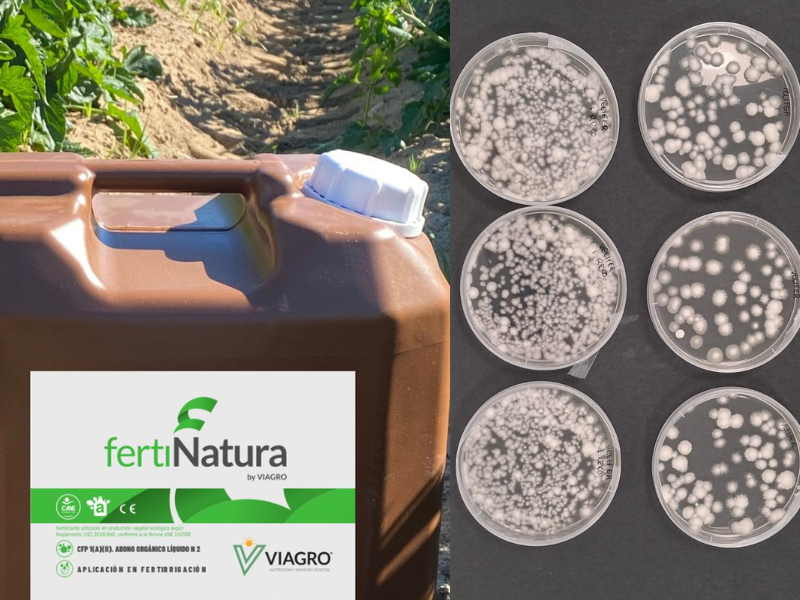
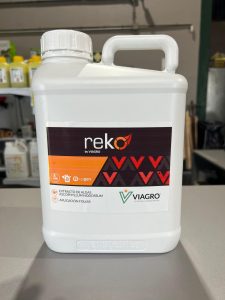 One of the pillars of this proposal is REKO®, a prebiotic formulated with target nutrients to regenerate Beauveria bassiana and Metarhizium. “When these organisms remain active and balanced, they help naturally regulate pest pressure, such as thrips or whitefly, without the need to resort to toxic mechanisms. For example, against Thrips parvispinus we have seen very positive results,” explains Francisco Javier del Águila, Managing Director of Viagro. Its effectiveness requires consistency in agronomic management, and Del Águila recommends combining it with tools such as biological control.
RELATED NEWS: BASF and Viagro: regenerative agriculture through new microbial strategies
Another Viagro solution is Fertinatura, a physiological regenerator that acts on the shikimic acid pathway, which is key to plant energy metabolism. “This process enables sugars to be transformed into higher organic acids, strengthening plant vigour and improving responses to water or heat stress.”
Field experience shows that the continued use of these solutions improves soil structure, reduces pest incidence and enhances the integration of beneficial fauna. For Viagro, this is a cross-cutting approach, suitable for regenerative and organic agriculture, as well as for conventional systems seeking to maintain and enhance yields, express the best traits of each variety and minimise the use of chemical inputs.