





Fyffes has launched its Sustainability Strategy 2025-2035, a long-term roadmap that establishes new commitments across key areas such as climate action, regenerative agriculture, packaging, food loss and waste, human rights and community development.
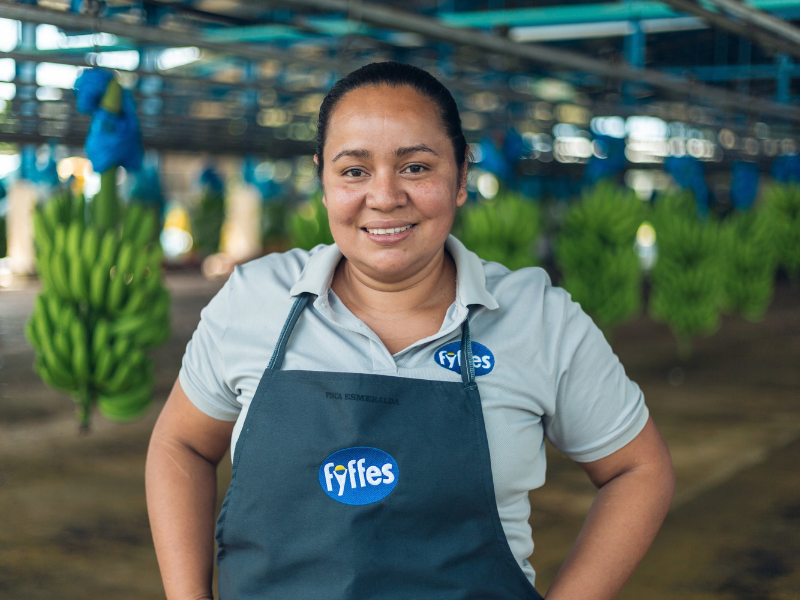
Among the main objectives of the new strategy is achieving gender parity in senior leadership positions by 2035 within its own operations, as well as reaching at least 30% female representation in supervisory operational roles by the same year.
The updated framework builds on Fyffes’ previous sustainability programme and introduces additional targets designed to respond to changing stakeholder expectations, regulatory developments and the growing importance of integrating sustainability into long-term business planning.
People, inclusion and community impact
Under the pillar “Enriching People’s Lives”, Fyffes will strengthen existing gender equality initiatives by creating new pathways for women to progress into supervisory and senior leadership roles across its owned operations.
Caoimhe Buckley, Chief Corporate Affairs Officer at Fyffes, highlighted that agriculture depends on the contribution and expertise of people throughout the value chain, while women continue to be underrepresented in many leadership and operational positions across the sector.
The company also aims to positively impact the wellbeing of 50 million people across its supply chain by 2035 through programmes focused on areas such as health and nutrition, climate resilience, education and gender equality. In addition, Fyffes has committed to maintaining zero fatalities and reducing workplace injury rates by 20% by 2030 across all owned operations.
The strategy includes a commitment to ensure that 100% of Fyffes-owned farms and high-risk suppliers are covered by independent human rights and environmental impact assessments by 2028, with action plans implemented where risks are identified.
Climate action and regenerative agriculture
On the environmental side, Fyffes has submitted greenhouse gas reduction targets to the Science Based Targets initiative (SBTi), aligned with a 1.5°C pathway, although these targets remain subject to validation.
The company’s environmental commitments include expanding regenerative agriculture practices across 13,000 hectares of banana and pineapple production by 2035, covering both owned farms and growers.
RELATED NEWS: Fyffes targets 13,000 hectares under regenerative agriculture by 2030
Fyffes also plans to reduce plastic packaging by 40% and overall single-use packaging materials by 10% by 2030, while working to reduce food loss across the banana and pineapple supply chain by 70,000 tonnes by 2035 and continue maximising the use of unavoidable surplus fruit.
Building on previous progress
According to the company, the new strategy builds on achievements from its previous sustainability framework, including providing more than 36 million healthy meals to vulnerable communities, educating more than three million people on healthy eating and food waste reduction, reducing Scope 1 and 2 greenhouse gas emissions intensity by 46% between 2020 and 2025, and implementing water management plans across all Fyffes farms.
“The challenges facing global food systems require long-term thinking and collaboration across supply chains,” said Buckley, explaining that the new strategy establishes measurable targets in the areas considered most relevant for the company and its stakeholders.
Fyffes will continue to monitor and report progress through its sustainability reporting processes, working alongside employees, suppliers, customers and communities to advance its commitments towards 2035.
Among the key targets included in the Sustainability Strategy 2025-2035 are gender parity in senior leadership, improved wellbeing for 50 million people across the supply chain, expanded human rights assessments, regenerative agriculture across 13,000 hectares, reduced emissions, lower packaging use and a reduction of food loss by 70,000 tonnes.