








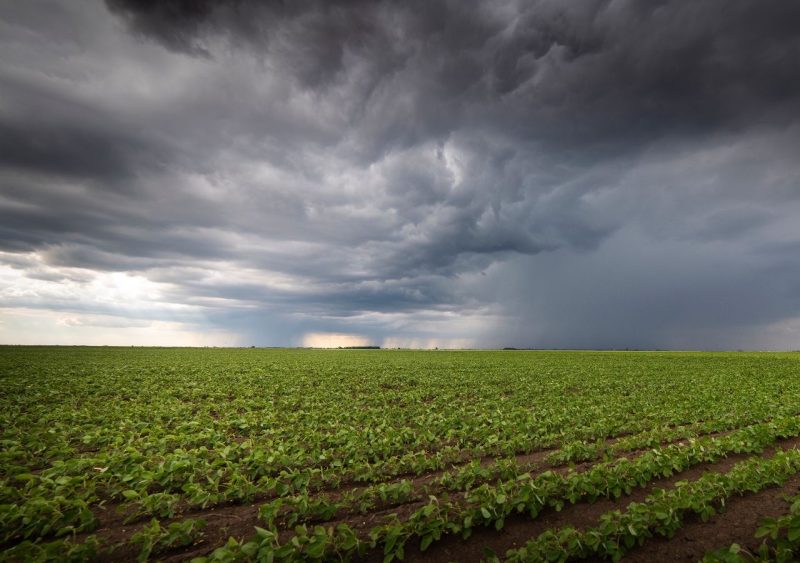
According to estimates from the report “Insurance and risk management tools for agriculture in the EU”, both the Spanish and Italian economies could face catastrophic losses of up to 20 billion euros in the coming years, and the European Union as a whole could reach 60 billion if no structural adaptation measures are adopted. This projection is based on the increasing frequency and intensity of phenomena such as prolonged droughts, heatwaves, hailstorms, and floods that are significantly rising in these territories, affecting not only agricultural production but also water supply systems and the socioeconomic stability of rural areas.
Highly exposed European agriculture
The report highlights that the viability of European agriculture is at stake, especially in highly exposed regions such as Southern Europe and, in particular, the Mediterranean area. In the specific case of Spain, whose rural economy is deeply tied to vulnerable crops such as vines, fruit trees, and vegetables, the effects of climate change are already evident: with more frequent droughts, late frosts, and intense storms. Heatwaves, for example, are not future threats but current realities already impacting production, reducing farmers’ incomes, increasing food prices, and putting pressure on rural economies.
Manuel García, Technical Director of Howden Cataluña, points out: “It is essential to urgently rethink the agricultural insurance system and the climate risk management strategy. This must be addressed from a structural perspective, supported by predictable solutions and cooperation between the public and private sectors.”
Severe economic impact on productive regions
In particularly extreme years, some agricultural regions of Spain such as Andalusia, Castilla-La Mancha or Catalonia could lose more than 3% of their agricultural Gross Domestic Product (GDP).
This level of impact has direct implications on rural employment, agri-food exports, and the ability of farms to reinvest and remain operational. Unlike other sectors, agriculture depends directly on climatic factors, making it one of the most vulnerable activities to environmental variability.
Faced with this scenario, and the growing pressure on agricultural systems to adapt to increasingly extreme climatic conditions, the Howden report highlights the insurance protection gap, as farmers bear between 70% and 80% of all climate-related agricultural losses. This situation often forces governments to provide unplanned financial assistance.
Therefore, the report points to the need to transform climate risk management. In the case of Spanish agriculture, this would imply less reliance on extraordinary aid after disasters, as well as close and coordinated collaboration between European institutions, national governments, insurers, and the agricultural sector itself. Moreover, it calls for the Common Agricultural Policy to evolve into a key protection tool against climate change.