








According to the latest data analysed by CSO Italy, based on YouGov figures, Italian families bought around 1.3 million tonnes of fruit and vegetables between January and March 2026, a volume in line with the same period of the previous year. In value terms, sales exceeded €3.25 billion, representing a 1% increase year-on-year.
However, the performance of the first quarter was not uniform. The positive trend recorded in January and February was partly offset by a weaker March, when household purchases fell by 3% in volume compared with March 2025, reaching approximately 503,000 tonnes.
Despite the decline in quantities, spending in March still rose by 1%, reaching €1.3 billion. This was driven by an average price of €2.60/kg, the highest level recorded for the month.
Economic pressure weighs on consumption
The March slowdown comes in a context marked by persistent inflation, geopolitical instability and renewed increases in energy and logistics costs. These factors continue to affect household purchasing decisions and may put further pressure on consumer confidence in the coming months.
For the fresh produce sector, the data confirm a delicate balance: volumes remain resilient overall, but price pressure and economic uncertainty are influencing consumption patterns.
Mixed performance across fruit categories
In the fruit segment, several products showed strong growth during the first quarter. Bananas increased by 10%, while kiwifruit rose by 21%. Avocados also performed positively, with purchases up 14%.
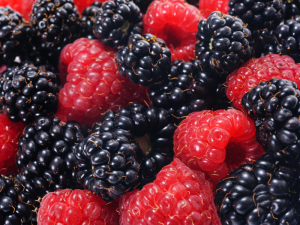
The most dynamic increases were recorded in table grapes, up 47%, and berries, which grew by 35%. These figures suggest continued consumer interest in convenient, high-value and increasingly popular fruit categories.
By contrast, citrus fruit registered a weaker performance. Oranges fell by 5%, mandarins by 6% and clementines by 13%. Strawberries also declined sharply, with volumes down 16% compared with the first quarter of 2025.
Vegetables show contrasting trends
The vegetable category also presented a mixed picture. Some products achieved solid growth, including carrots and cabbage, both up 11%, while pumpkins increased by 25%.
Other positive results were recorded for radicchio, up 34%, asparagus, up 27%, and green beans, up 11%.
However, several traditional Mediterranean vegetables lost ground. Artichokes fell by 18%, broccoli by 15%, aubergines by 21% and tomatoes by 8%.
Large-scale retail strengthens its position
The report also highlights the continued shift in purchasing channels. Large-scale retail, particularly supermarkets and discount stores, further strengthened its role in the first quarter, gaining share at the expense of more traditional outlets.
Street markets and local markets recorded a 21% decline in volume during the period. Compared with 2022, their volumes have almost halved, with a fall of 48%. Specialist shops and greengrocers also lost ground, with purchases down 10%.
RELATED NEWS: Avocado consumption in Italy grows by 28% and strengthens its market potential
This evolution confirms the growing preference of Italian consumers for retail formats that offer convenience, competitive prices and easier access.
Packaged fresh produce reaches record share
Packaged fruit and vegetables continued to gain weight in Italian shopping baskets. In the first quarter of 2026, packaged products accounted for 45% of total fresh produce volumes, the highest level ever recorded.
This trend reflects the increasing importance of service, convenience and ease of use in household purchasing decisions. For retailers and suppliers, packaging continues to be a key factor in responding to changing consumption habits.
Organic fresh produce remains resilient
Organic fruit and vegetables also showed resilience despite the general slowdown in consumption. In March, organic purchases remained stable in volume and increased by 6% in value.
Across the first quarter as a whole, organic products reached a record 11% share of total fruit and vegetable purchases by Italian households.
The data suggest that, even in a more cautious consumer environment, organic fresh produce continues to maintain a solid position, supported by a segment of consumers willing to prioritise perceived quality, sustainability and added value.
A stable quarter with warning signs
Overall, the first quarter of 2026 confirms the resilience of Italy’s fresh produce market, with stable household volumes and a slight increase in value. However, the March downturn points to a more fragile consumption environment, where inflation, costs and geopolitical uncertainty could weigh more heavily on demand.
For the Italian fruit and vegetable sector, the challenge will be to maintain volumes while responding to increasingly price-sensitive consumers and a retail landscape increasingly shaped by convenience, packaged formats and large-scale distribution.