









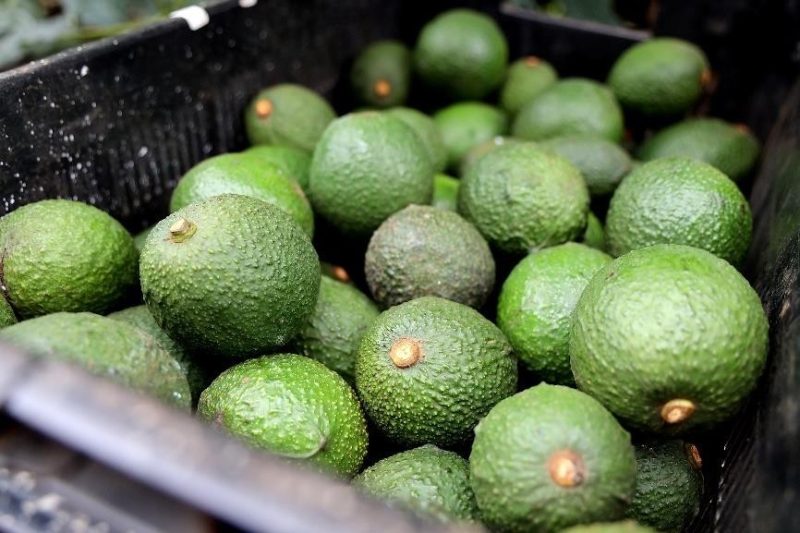
The data, provided by the Chilean Avocado Committee, exceeds the sector’s initial estimates.
Key factors behind the success
This milestone was achieved thanks to a combination of favourable conditions: optimal weather, a higher fruit-setting rate, and the implementation of new technologies and agricultural techniques. In addition, the use of planting and management methods in non-traditional growing areas has helped the industry maintain its competitiveness, with a stable planted area of around 30,000 hectares nationwide.
Exports and domestic consumption: a positive balance
Of the total harvest, 57% (136,000 tonnes) was destined for export. Europe consolidated its position as the main destination, receiving 57% of shipments (77,000 tonnes).
It was followed by Latin America with 25.1% (34,000 tonnes), with Argentina standing out at 29,000 tonnes. Asia accounted for 8.6% of exports, North America 8.5%, and Oceania 0.8%.
One distinctive feature of the Chilean avocado sector is its high domestic consumption: 43% of production remained in the national market. This reflects Chileans’ strong preference for the fruit, positioning Chile as the world’s second-largest consumer of Hass avocados, with an annual per capita consumption of 8.6 kilograms.
Economic impact and sustainability
Francisco Contardo-Sfeir, Executive President of the Chilean Avocado Committee, expressed his satisfaction with the results:
“These results are excellent news for the industry and reflect the economic impact of our sector. Avocados drive a diverse value chain — including small, medium, and large producers, exporters, logistics operators, and distributors — which together generate more than 700 million dollars annually,” he stated.
RELATED NEWS: Mexico: year-round domestic avocado production
Beyond economic success, the sector has shown a strong commitment to sustainability. Contardo-Sfeir highlighted the Committee’s work since 2020 in developing a roadmap aligned with the United Nations’ 2030 Agenda.
“Our goal is to continue strengthening responsible production, focused on people, communities, and the environment,” he concluded.