









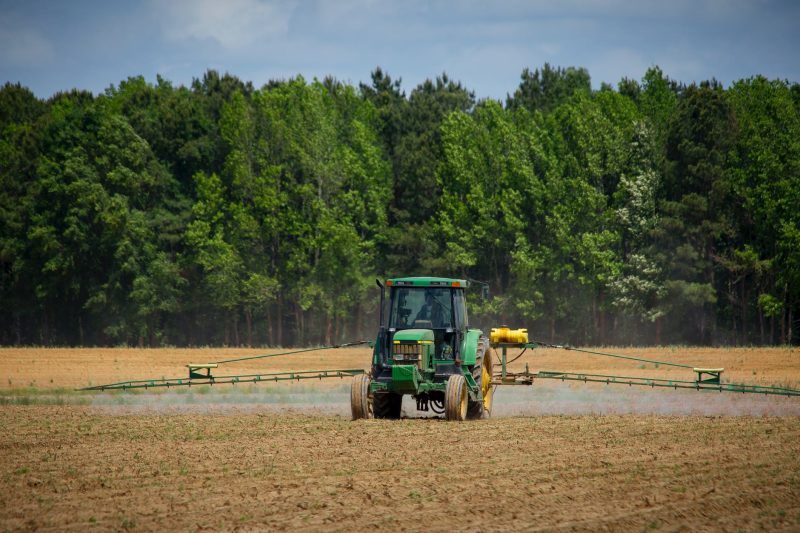
According to WFO President Arnold Puech d’Alissac, the impact of the current crisis is already uneven across regions. Farmers in the Southern Hemisphere are facing the most immediate challenges, as they need to secure fertilisers for application between August and October, while producers in the Northern Hemisphere still have a longer planning horizon.
The disruption is particularly significant given that most countries depend heavily on imported nitrogen-based fertilisers, which are estimated to support around half of global food production. Any sustained interruption in supply therefore poses a direct threat to agricultural output.
A key concern remains the strategic importance of the Strait of Hormuz, through which up to 30% of global fertiliser trade passes. A prolonged disruption in this corridor could significantly reduce fertiliser availability, with direct consequences for crop yields.
RELATED NEWS: UK logistics sector calls for support amid rising costs
The WFO estimates that a 30% reduction in fertiliser availability over one year could lead to a decline in grain production of between 12.5% and 15%, increasing the risk of price volatility across global markets.
Despite these risks, the organisation does not currently foresee an immediate threat to global food security, citing high levels of grain reserves worldwide, which have helped keep prices relatively low in recent months.
Limited alternatives and shifting production
However, concerns are growing over the medium-term outlook, as farmers are now making critical planting decisions under conditions of uncertainty and rising input costs. Limited access to fertilisers and fuel could reduce profitability and, in some cases, lead to production losses.
Alternative strategies remain limited. Some producers may shift towards crops that require lower fertiliser inputs, such as legumes, including soybeans and peas. This trend could lead to increased soybean production in countries such as Argentina and Brazil, where it is considered a less risky and more cost-efficient option compared to fertiliser-intensive crops like maize, wheat, barley or rice.
Livestock producers may also consider expanding pasture-based systems, although such adjustments typically require longer-term investment and planning.
Diverging policy responses
Government responses to the crisis vary widely. Some countries have implemented strong support measures, including fuel subsidies and the release of strategic reserves, while others have taken a more limited approach.
In Europe, uncertainty remains around potential policy adjustments, including discussions on the possible suspension of carbon border measures affecting fertiliser imports. In other regions, authorities are monitoring fertiliser prices to prevent speculation, while farmers express concerns about policies that could undermine their competitiveness.
The WFO has called for urgent and coordinated action between governments and the agricultural sector to stabilise markets. Key priorities include ensuring access to fertilisers and energy at predictable and affordable prices, improving market transparency, and providing targeted financial support to farmers facing rising costs and uncertainty.
As global supply chains remain under pressure, the availability of fertilisers is emerging as a critical factor shaping the outlook for agricultural production and food markets worldwide.