








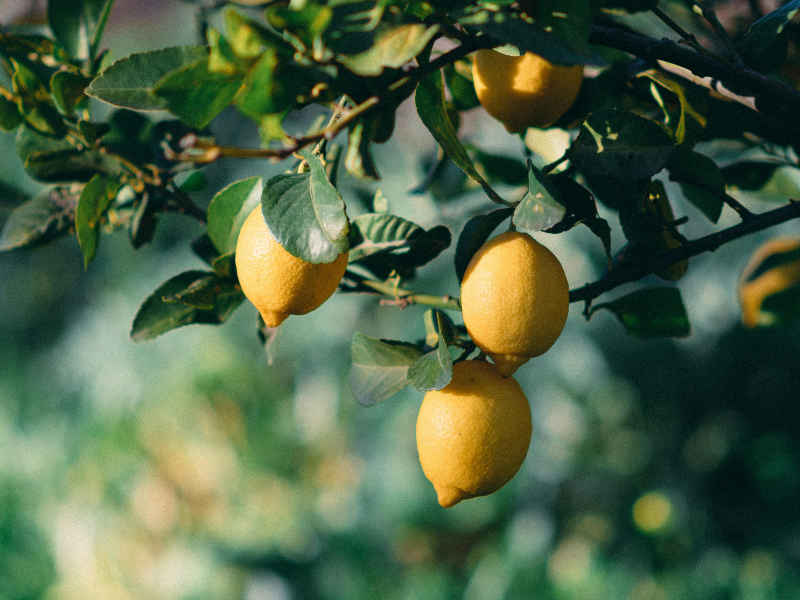
According to José Antonio García, director of Ailimpo, the 2025/2026 Fino lemon campaign started slightly later than the previous one, although still within the usual timeframe, in early October. Although initial estimates pointed to a slightly smaller crop due to fewer fruits per tree, their larger size could result in final volumes similar to those of the 2024/2025 season.
The abundant and persistent rainfall in Spain’s main lemon-growing areas has favoured continuous fruit growth, leading to a widespread presence of large sizes.
“This should not be a problem for consumption, since the fruit retains the same healthy nutritional properties despite its larger size,” says José Antonio García. “The entire value chain, from suppliers to retailers, must have the capacity to adapt to these circumstances, which depend heavily on the weather. We need to be creative and think about different formats and presentations. In that sense, maintaining lemon consumption is a shared responsibility.”
In addition to size, García highlights the “exceptional” visual quality of this year’s lemons. “The 2024/2025 campaign was heavily affected by thrips, which caused cosmetic damage to the fruit. This season, however, the efforts made by growers, the AGEFIS project promoted by Ailimpo and the climatic conditions —with more rainfall and colder temperatures— have resulted in the best fruit quality in the last ten years.”
The sharp decline in Turkish lemon production, due to the impact of spring frosts in 2025, has allowed Spanish lemons to dominate European markets massively, reaching a market share of over 90%, according to the Ailimpo director.
RELATED NEWS: Spanish lemon production will remain above 1Mt, but falls 18%
“Nine out of ten lemons consumed in Europe this season are Spanish. This has allowed prices to remain profitable for both growers and marketers and has enabled the sector to pass on the increase in production costs caused by the war in Ukraine without affecting consumption,” García explains.
So far, the market has maintained a healthy balance between supply and demand, as supply has remained slightly below demand. “This has resulted in more stable and consistent prices throughout the season so far, allowing consumption to move smoothly. In addition, Class II fruit has also found good commercial outlets, achieving attractive prices,” he adds.
Regarding the current war in Iran and the logistical disruptions affecting the Persian Gulf region, García notes that Spanish lemon exports to these markets are very limited. “We are evaluating the possible indirect impact this could have on us, particularly for the counter-season campaign, depending on the potential difficulties South Africa may face in organising its shipments to Europe. At this stage, it remains uncertain.”
The Fino lemon season is expected to conclude at the end of March, immediately giving way to the Verna campaign, whose harvest is forecast at around 290,000 tonnes, between 25% and 30% lower than the 2024/2025 season, which reached a record production of more than 400,000 tonnes.
The Verna season is also expected to feature larger-than-usual fruit sizes and strong farm-gate prices.