








In a global context defined by the search for resilient assets capable of generating stable income and hedging against inflation, institutional capital has increased its presence in agriculture, focusing on countries such as Spain and Portugal.
Both markets combine favourable agronomic conditions, a growing level of professionalisation and consolidation opportunities that enable the development of large-scale agricultural projects. This combination is positioning Iberia as one of the main hubs for agricultural investment in Europe.
Permanent crops at the core of investment strategies
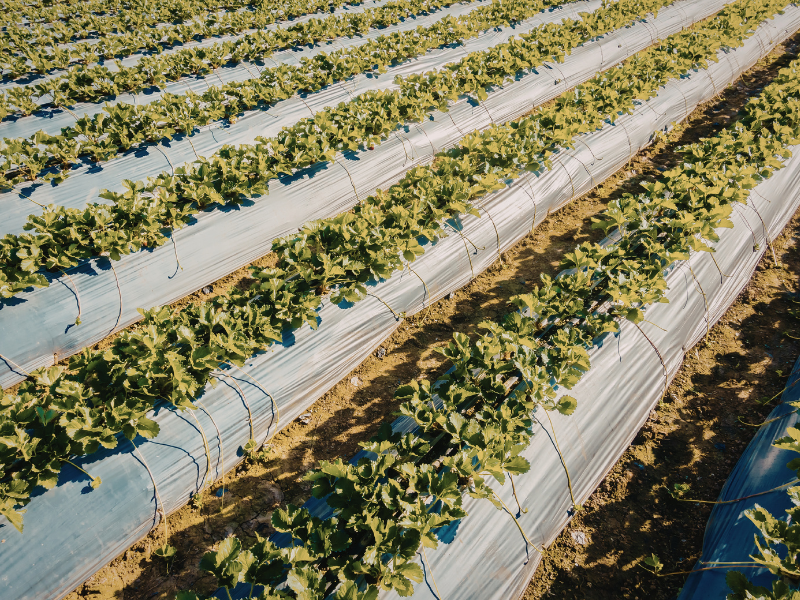
Investor interest is particularly concentrated on permanent crops, including olives, almonds, pistachios, citrus, vineyards, avocados and berries. These production systems are characterised by long life cycles, allowing them to generate recurring income over decades without the need for annual replanting.
This production stability aligns well with long-term investment strategies, offering greater predictability compared to annual crops, which are more exposed to climatic and market volatility. In addition, these systems allow for the integration of sustainable practices, an increasingly important factor for investors.
Institutional capital accelerates sector transformation
Over recent decades, institutional participation in agriculture has grown significantly worldwide. There are currently around 970 specialised managers overseeing more than USD 162 billion in assets, a sharp increase compared to the early 2000s.
This trend has also reached Iberia, where the perception of the sector has shifted notably. While land fragmentation and limited profitability in certain crops were once seen as barriers, the rise of permanent crops and growing demand for Mediterranean products have changed the landscape.
As a result, there has been a steady inflow of capital into land acquisition, the development of intensive plantations and the creation of vertically integrated agricultural platforms. This process is accelerating the transition from traditional family farming models towards more professionalised and efficient structures.
Global demand and generational renewal as key drivers
One of the main drivers behind this transformation is the sustained growth in global demand for products such as olive oil, nuts and fresh fruit, supported by consumer trends favouring healthier, plant-based diets.
At the same time, the ageing farming population in Spain and Portugal is creating opportunities for new entrants. The lack of generational renewal is facilitating farm consolidation and improving operational efficiency.
Sustainability and natural capital, new investment pillars
Sustainability has become a central element in investment decision-making. Permanent crops provide an ideal framework for implementing regenerative practices that improve soil quality, enhance biodiversity and optimise water use.
In addition, new models are emerging that combine agricultural production with alternative revenue streams linked to natural capital, such as carbon credits and ecosystem service incentives.
This approach allows investors to align economic returns with environmental impact, strengthening the sector’s appeal for ESG-driven strategies.
Iberia’s structural advantages
The Iberian Peninsula offers several competitive advantages that reinforce its positioning. These include climatic diversity, fertile soils and increasingly advanced irrigation infrastructure, which helps stabilise production even under more volatile climatic conditions.
At the same time, the limited availability of high-quality agricultural land, particularly land with secure water access, is driving long-term asset appreciation as demand continues to rise.
From land ownership to value chain integration
Investment strategies are evolving towards more complex and diversified models. While initial investments were largely focused on land acquisition and consolidation, there is now a growing emphasis on vertical integration, covering production, processing, packaging and marketing.
RELATED NEWS: Spain calls for safeguards in EU–Morocco agreement to protect producers
This approach enables investors to capture more value along the supply chain, reduce exposure to price volatility and ensure consistent market supply. Partnerships with local operators are also gaining importance, providing access to technical expertise and established commercial networks.
Risks and challenges
Despite its strong fundamentals, investment in permanent crops is not without risks. Key challenges include land availability, water access and the increasing frequency of extreme weather events such as droughts and heavy rainfall.
Varietal selection is another critical factor, as these long-term decisions directly impact future profitability. Market volatility and the need for highly specialised management teams also remain significant considerations.
Labour shortages represent an additional structural challenge, driving the adoption of mechanisation, although with limitations in certain crop types.
Outlook: sustained long-term growth
Looking ahead, institutional investment in Iberian agriculture is expected to continue growing. Factors such as rising global food demand, interest in real assets, generational transition and technological innovation will continue to support the sector’s attractiveness.
In this context, the Iberian Peninsula is set to remain one of Europe’s leading destinations for agricultural investment, underpinned by efficiency, sustainability and the ability to adapt to an increasingly demanding environment.