







Export volumes remain geographically concentrated. La Libertad leads production and shipments, followed by Lambayeque, with additional regions contributing smaller but still relevant shares. This concentration influences operational pressure during peak weeks, particularly in areas related to labour availability, packing capacity, and refrigeration infrastructure. As volumes converge in specific regions, coordination becomes increasingly relevant to managing departure schedules and preserving fruit condition through to arrival.
RELATED NEWS: “Peru expects a 15% decrease in mango production in this new season”
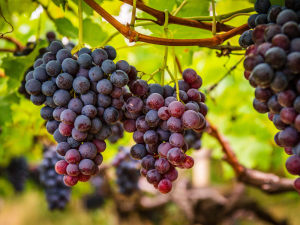
In terms of product composition, conventional blueberries continue to represent the majority of exports, with 304,688 tons shipped to date. Organic blueberries account for 28,596 tons. The balance between these segments shapes commercial planning, certification requirements, and market positioning across destinations.
Maritime transport remains the dominant logistics channel, accounting for 96 per cent of total shipments, while air freight represents 3 per cent. Although limited in volume, air shipments continue to reflect market sensitivity during specific commercial windows and are used to support program adjustments when conditions or opportunities require faster delivery.
As the campaign advances beyond the peak, the interaction between destination demand, regional supply concentration, and logistics capacity will continue to define execution across the Peruvian blueberry export program.