








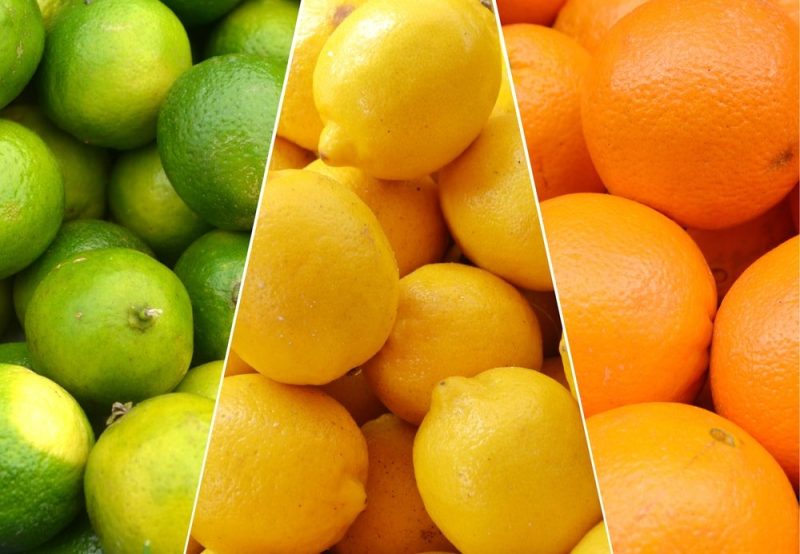
South Africa’s citrus industry is projecting an export crop of 209 million cartons for the 2026 season, marking an increase of 5 million cartons compared to the final figure of 203.9 million cartons recorded last year.
The latest forecast follows the release of mandarin estimates and reflects a generally stable outlook for the sector, despite ongoing uncertainties in key export markets.
Steady growth with some adjustments in mandarins
While overall citrus volumes are expected to rise, the mandarin category shows signs of stabilisation after several years of strong expansion. Early estimates indicate a slight decline compared to last season, although final figures are yet to be confirmed, as late mandarins are not included in the initial projections.
These later varieties will be assessed in a second round of estimates, typically released around one month after the first forecast for other citrus categories.
According to Hendrik Warnich, chairman of the Citrus Growers’ Association (CGA) Mandarin Focus Group, the outlook remains relatively balanced.
“There are no major changes at this stage, although it is important to remember that these figures are still estimates and subject to multiple variables,” he noted.
Market uncertainty and external factors
One of the key variables affecting the campaign is the situation in the Middle East, a strategic market for South African citrus. Potential disruptions to demand and longer transit times could impact export performance.
The CGA has indicated that it will continue to monitor developments closely and provide regular updates to growers.
Mixed performance across late mandarin varieties
Within the late mandarin segment, performance varies by variety. Leanri continues its upward trend, with volumes expected to reach 2.6 million cartons, a 13% increase year-on-year.
RELATED NEWS: Citrus production is expected to decreased 6% in Southern Hemisphere
In contrast, Orri volumes are forecast to decline by 11%, falling to 2.4 million cartons. Meanwhile, the “other late mandarins” category is set to grow by 11%, reaching approximately 4 million cartons, largely driven by the expansion of Royal Honey Murcott.
The largest category, Nadorcott/Tango, is expected to see a slight decrease of 1.6%, with volumes estimated at 30.5 million cartons compared to 31 million cartons last year.
Regional dynamics shape production
The marginal decline in Nadorcott/Tango is mainly attributed to slightly lower expected production in the Western and Eastern Cape, following exceptionally strong performances in these regions last season.
Together, these two provinces account for nearly 60% of total volumes in this category, meaning that even small regional variations can significantly influence overall projections.
Outlook: stable but cautious
Overall, South Africa’s citrus sector enters the 2026 campaign with a positive yet cautious outlook. While production is expected to grow moderately, external factors such as market conditions and logistical challenges will play a key role in shaping the final outcome of the season.