









Aphids are one of the most challenging pests in modern horticulture due to their rapid reproduction and ability to adapt to different environments. Their control requires preventive, effective and sustainable strategies, especially given the coexistence of different species with diverse behaviours.
In this context, the Almería-based company Agrobío reaffirms that biological control is not simply an alternative, but a key strategy when applied preventively and continuously, helping to avoid resistance and improve crop quality.
The strategy proposed by Agrobío combines parasitoids such as A. colemani, A. matricariae, A. ervi and Aphelinus, together with predators such as Aphidoletes (APHIDOcontrol), lacewings (CHRYSOcontrol), hoverflies and ladybirds, enabling action across different stages of the aphid lifecycle.
In addition, the company highlights conservation biological control through agroecological ecosystems with banker plants and vegetation islands, which favour the early presence of these beneficial insects, especially in open-field conditions.
Upcoming launch
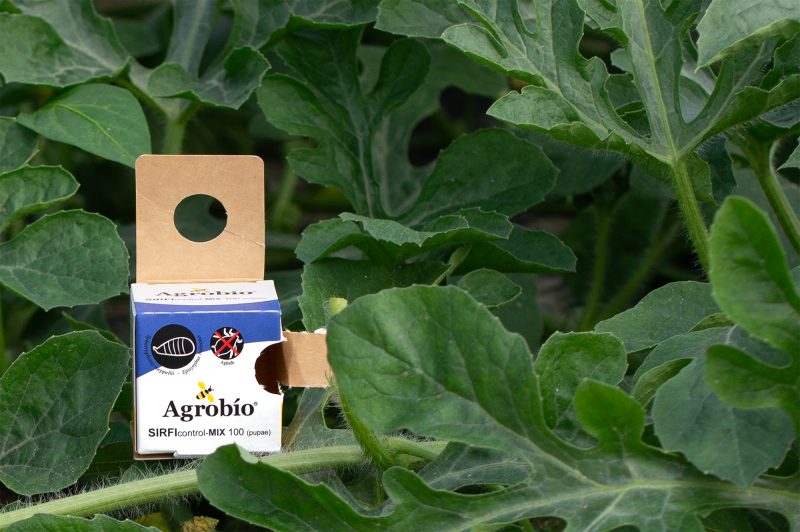
The company is also promoting its SIRFIcontrol line, based on hoverflies such as Sphaerophoria rueppellii and Episyrphus balteatus. Most notably, Agrobío is already working on the launch of a new hoverfly solution, which promises to expand efficacy and adaptability across different crops and climatic conditions.
RELATED NEWS: Agrobío: Experience and strategy in biological control
This innovation forms part of the company’s commitment to continuously improving its range of natural enemies through research projects and optimised rearing processes.
With a strong focus on R&D and control across the entire value chain, Agrobío reinforces quality and speed of supply, offering biological control solutions tailored to the needs of agricultural producers.