








In recent years, the European avocado market has continued to evolve steadily, driven by changing consumption habits and the growing integration of this fruit into everyday diets. Markets such as Italy now represent one of the most significant opportunities for development within the European landscape.
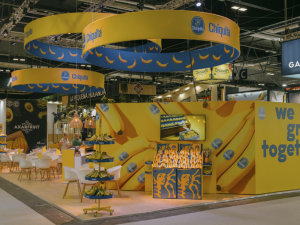
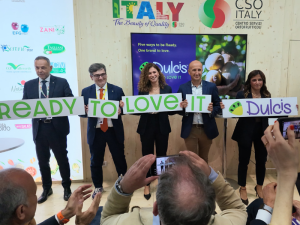
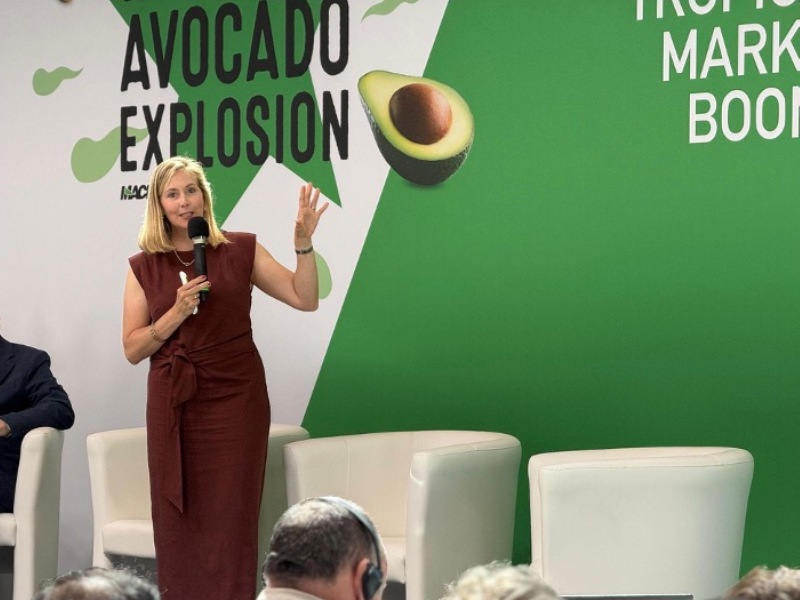
The recent participation of the World Avocado Organisation (WAO) at Macfrut 2026 marks an important milestone. Beyond its debut at one of the sector’s leading trade fairs, it represents a strategic step in strengthening the organisation’s presence in the Italian market, with a focus on understanding local consumers and supporting long-term market development.
An early-stage market with strong growth potential
“The Italian market offers significant growth potential, and we are committed to driving it through targeted initiatives. We need to reach a different type of consumer compared to other European markets, educating them on product usage and overcoming purchasing barriers, as trial is essential for the growth of this emerging market,” said Shelly Vorster, Managing Director of the World Avocado Organisation.
Italy stands out as one of Europe’s most promising markets, although it is still in an early stage of development. Currently, only 35% of Italian households purchase avocados at least once a year, highlighting the considerable room for expansion.
At the same time, growth indicators point to a very positive trend. “Over the past two years, the WAO has invested in Italy, considering it a key, strategic and growing market. As a result, we have seen a notable increase in per capita consumption. While the EU average stands at 1.8 kg per capita, Italy has grown from 0.7 kg in 2023 to 1.12 kg per capita in 2025,” Vorster added.
Rising consumption despite high prices
This growth is taking place in a particularly challenging context, as Italy currently records some of the highest retail prices for avocados in Europe, which can act as a barrier for new consumers. Nevertheless, demand has shown remarkable resilience.
Despite a 12% increase in retail prices, sales volumes have grown by 28%, while market value has increased by 43%, significantly outpacing food inflation. These figures clearly indicate that avocados are transitioning from an occasional purchase to a more established component of regular consumption.
The key role of younger consumers
Unlike more mature markets such as Spain or France, where growth is increasingly linked to higher purchase frequency among existing consumers, Italy’s main opportunity lies in attracting new buyers. WAO’s strategy is therefore focused on younger demographics, particularly consumers under 35 and Generation Z, who play a crucial role in market expansion.
This shift is also reflected in how avocados are being integrated into daily diets. Beyond their nutritional profile—where Italian consumers increasingly recognise avocados as a source of healthy fats—they are valued for their versatility and use in a wide range of dishes, from main meals to brunch and recipes such as guacamole.
RELATED NEWS: Jingold bets on avocado
Additionally, the growth of ready-to-eat options responds to the demand for convenience and contributes to reducing food waste.
Consumer education as a key driver
In this context, consumer education plays a central role in market development. WAO’s efforts are focused not only on raising awareness of the avocado’s nutritional value, but also on facilitating its everyday use through practical guidance on preparation, storage and incorporation into regular diets.
As the Italian market continues to evolve, further progress will depend on a strategy that combines consumer insight, market development and adaptation to local characteristics. Italy is thus positioning itself as a transforming market, where the foundations are already in place and growth opportunities remain significant.