








Demand for export financing is growing among Brazil’s fruit producers, particularly in the São Francisco Valley, as growers seek to expand irrigated production and strengthen their position in the European market.
According to Banco do Nordeste (BNB), the increase in demand follows the start of the Mercosur-European Union agreement, which removed tariffs on Brazilian fruit exports to Europe. The strongest demand has been recorded in Petrolina, in the state of Pernambuco, although the bank also serves growers in Rio Grande do Norte, Ceará and other areas within its operating region.
Lower tariffs to support competitiveness
Neydson Moura, state executive manager at BNB, said the reduction in tariffs is expected to stimulate exports by making Brazilian fruit more competitive in Europe.
“Tax reduction makes Brazilian products more competitive, which consequently tends to create an increase in demand for Brazilian products in the European market. With the growth in demand, producers will tend to increase their production area and export of products. Credit from Banco do Nordeste acts to support the increase in production and the export of products,” he said.
For exporters, BNB offers Advance on Exchange Contract (ACC) financing, which allows companies to receive funds before export payments are settled.
“It takes time for the money from the sale to reach the customer. That’s why we advance the amount to be received with competitive discount rates and a payment term of up to 12 months,” said Manoel Felipe, general manager of the BNB branch in Petrolina.
Credit lines to reduce currency risk
The bank also offers Nordeste Exportação, a credit line financed by the Constitutional Fund for Financing the Northeast (FNE). According to BNB, this product is designed to reduce exposure to exchange rate fluctuations by fixing the conversion value when the contract is signed.
RELATED NEWS: Brazilian apple exports triple in early 2026
“The client will pay the conversion value on the day the contract is signed. It’s like working capital that finances labour, supplies, and proof of loan application can be provided up to the time of settlement, within 12 months,” Felipe said.
According to Moura, financing for the establishment of new orchards is provided through separate credit lines with different repayment terms. He noted that foreign trade financing is aimed at growers with established export operations.
Mango production requires long-term investment
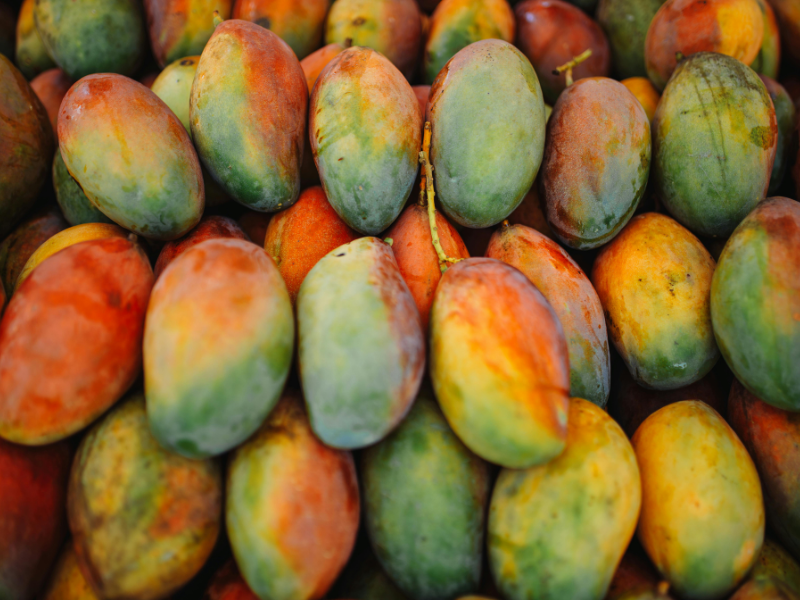
For mango production, the bank estimates annual establishment costs at approximately US$36,000 per hectare, with orchards requiring around three years before reaching commercial production.
BNB said it provides financing for export operations but does not offer mentoring or export strategy services. Producers seeking to enter export markets must arrange commercial and logistics support independently.
“Foreign trade operations, whether for export or import, are a product of Banco do Nordeste and are available to all clients, whether rural or urban, and throughout the bank’s area of operation,” Moura said.