









Montosa, a specialist in the production and marketing of tropical fruit, estimates that, due to previous weather conditions, Spanish mango volumes could be up to 30% lower than last year. “The lower number of fruit per tree is expected to result in larger sizes and very high-quality fruit. We have already secured strong sales programmes with significant growth, and we still have some volume available for customers with last-minute requirements,” says Thierry Athimon, Sales Director at Montosa.
Irwin and Osteen: winning varieties
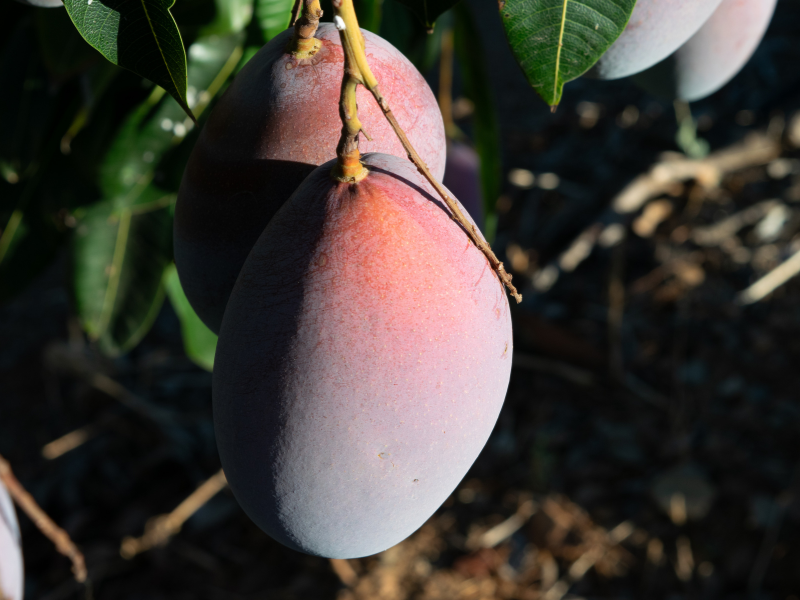
The company began its mango harvest with Irwin, a small-sized variety with bright red skin and juicy, aromatic flesh. “It is a highly exclusive variety that appeals to older and gourmet consumer segments looking for smooth textures that melt in the mouth,” says Athimon.
This was followed by Osteen, which accounts for around 75% of the Spanish mango harvest and “is particularly appreciated for its flavour and texture, as its fibreless flesh makes it very pleasant to eat,” Athimon explains.
Axarquía origin: optimal ripening and locally grown produce
Both Montosa’s Spanish mangoes and avocados come from La Axarquía, in Málaga, a privileged growing area that provides ideal conditions for subtropical crops in Europe.
“Having the plantations so close to us allows us to apply all our expertise to caring for the trees and, subsequently, to the controlled ripening processes. This ensures that every batch reaches the required Brix levels, guaranteeing consistency and the high food-safety standards for which we are recognised in the market. The Axarquía origin is undoubtedly our strongest guarantee of quality, from field to table,” concludes Marta Santos, Quality Director at Montosa.
RELATED NEWS: Montosa strengthens its operations in France with a new warehouse in Perpignan
“Another factor that makes European buyers value our mangoes so highly is that they are locally grown produce with a lower carbon footprint than mangoes from other origins. These are European mangoes, and this is something that both retailers and end consumers increasingly value,” adds Athimon.