









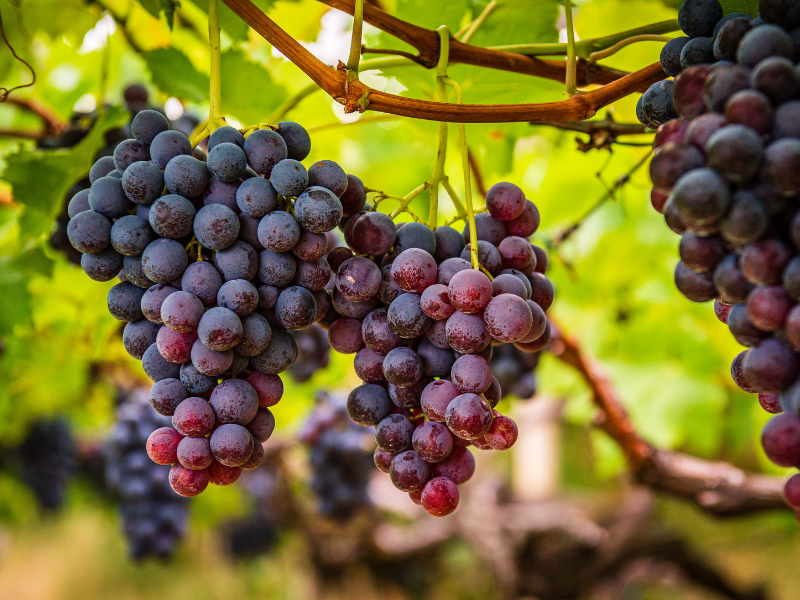
India is expecting larger volumes of new grape varieties during the 2026/27 season, with buyers in Europe, the UK and Canada already showing interest in availability and future expansion. However, rising freight costs and longer shipping routes could add pressure to exporters during the campaign.
Akshay Sangle of Sangle Agro Fresh says the coming season will represent an important step for new varieties, which still account for a relatively small proportion of India’s total grape exports. “Through our licensed grower network, we expect to export around 150 tonnes of Bloom Fresh’s Allison, Timco and Timson this season,” he says.
Across the region, Sangle estimates that production of new varieties could reach approximately 4,500 tonnes. Traditional varieties still account for around 98% of India’s grape exports, but this share is expected to gradually decline as more new plantings reach commercial production.
Red varieties dominate new plantings
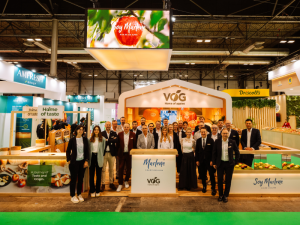
At Fruit Attraction, Sangle met with supermarket buyers, retailers and wholesalers to discuss the performance of the new varieties in India, the volumes expected to be available this season and the potential for further growth in the coming years.
Around 90% of the new plantings are red varieties, while white varieties account for the remaining 10%. Growers are also planning to increase plantings of white seedless varieties, including Sweet Globe and Sweet Celebration, with significant production expected from around 2029.
“India already has substantial white seedless grape production, so these varieties will add to an established segment. For now, the immediate focus is on bringing the newer varieties into production at greater scale,” Sangle explains.
Production prospects for the coming season are encouraging. Pruning is almost complete and higher temperatures could bring harvesting forward by around 10 days, particularly for late-season fruit. This could potentially result in reduced availability towards the end of April.
Logistics emerge as the main concern
For exporters, however, logistics remain a major challenge. Shipping disruptions linked to the conflict in the Middle East forced vessels to avoid the Suez Canal last season and take longer routes around the Cape of Good Hope, significantly increasing transit times.
The situation could continue to complicate planning this season. “Transit to Rotterdam can take around 30–34 days, while shipments to UK ports may take 40–42 days,” Sangle says.
RELATED NEWS: LUV Fiera: Bari becomes the international capital of table grapes
Freight costs have also increased sharply. A shipment to Rotterdam that cost around US$3,000 last year could reach US$7,000–9,000 this season, with the possibility of further increases as exports gather pace.
Labour and packaging costs are adding further pressure to exporters’ margins. The impact on farm-gate prices will depend partly on the size of the crop. Higher volumes could put downward pressure on prices, while tighter availability combined with good quality could help maintain price levels.
Growing international interest
For Sangle, the challenge is now to convert the growing interest in new varieties into a sustainable export business.
“For exporters, the task is to build volumes of the new varieties while meeting buyers’ expectations for reliable availability. Interest from overseas buyers is encouraging, but turning international interest into sustained business will depend on production and the ability to deliver fruit despite longer transit times, higher shipping costs and unpredictable weather,” he concludes.