










The baseline scenario envisages a swift peace agreement and the end of the blockade of the Strait of Hormuz in May. By contrast, the pessimistic scenario assumes a six-month closure of the strait and an escalation of the conflict as negotiations stall.
In both cases, Crédito y Caución highlights the sectors most affected by their dependence on oil or petroleum-derived raw materials, such as the agri-food sector.
Rising fertiliser prices will translate into higher food prices by the end of this year. In addition, the increase in energy costs impacts every stage of food production, from sowing and harvesting to processing, storage and transport.
In this context, according to Crédito y Caución forecasts, the global average price of key agricultural commodities could rise by 8.5% this year and by 3.8% in 2027.
These figures are well above pre-conflict estimates, which stood at 0.7% and 2.5%, respectively.
Transport and essential metals
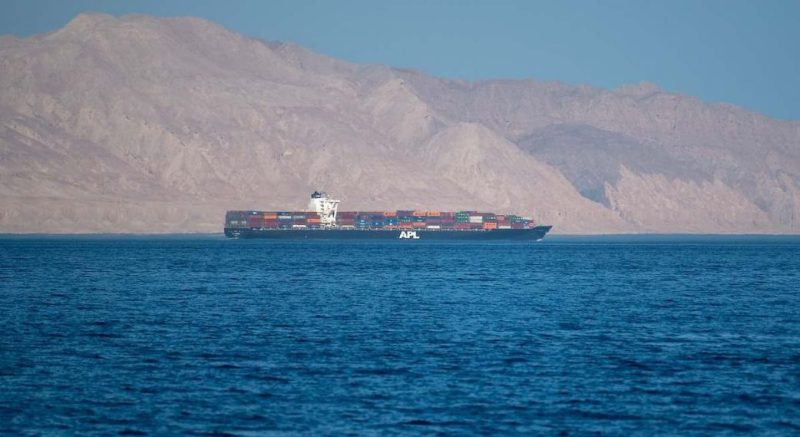
Another sector heavily affected is transport, with a particular focus on maritime shipping. A sustained 50% increase in oil prices could raise sea freight costs by between 15% and 20%.
Asian economies would be the most affected. In land transport, the Iran war is exacerbating an already challenging situation. In many advanced markets, intense competition, labour shortages and high wages are squeezing margins.
At the same time, the supply of essential metals for strategic sectors is also under pressure. The Gulf region accounts for 10% of global aluminium production, much of which is transported through the Strait of Hormuz.
The loss of this supply would trigger a significant global price crisis. Even if the war were to end quickly, restarting halted production could take months.
Most affected countries
Among the major economies, Middle Eastern countries will be the most impacted, due to their dependence on fossil fuel exports as well as energy-intensive, export-oriented industries such as chemicals and metals.
Asia-Pacific countries, with the exception of China, will also be severely affected due to their high consumption of oil and gas from the Middle East.
Europe is another major consumer of Gulf gas, but Russia’s invasion of Ukraine triggered an energy crisis that has yet to fully subside.
RELATED NEWS: Marked by war
For this reason, manufacturing activity in the eurozone is expected to contract by 0.2% this year, potentially reaching 1.9% under the most pessimistic scenario.
At a global level, the immediate outcome of the conflict is an increase in oil and gas prices, which in turn drives up food prices and therefore inflation, followed by a reduction in consumer spending.
If central banks raise interest rates to ease inflationary pressure, financing costs will increase.
This creates a chain reaction with a significant impact on corporate financial health.