









Unifrutti Group continues to advance its European growth strategy with the acquisition of Fondaco Nuovo, a citrus producer based in Sicily. The deal marks a key step in strengthening its presence in the Italian market and consolidates its position as a significant player in the supply of premium citrus fruit across Europe.
With this acquisition, the company nearly doubles its owned production area in Italy, reaching approximately 670 hectares. The move is aligned with a strategy aimed at enhancing production capacity and ensuring a stable and high-quality supply in one of Europe’s most demanding markets.
Sicily, a strategic hub for high-value citrus
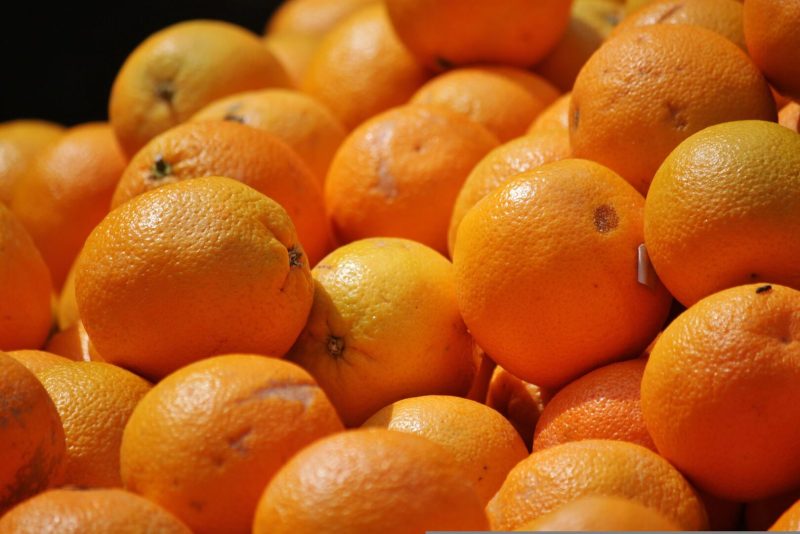
Fondaco Nuovo is located in one of the most renowned citrus-growing areas in the Mediterranean, on the slopes of Mount Etna. The operation covers around 400 hectares across two farms specialised in premium citrus varieties.
Production includes Tarocco blood oranges, protected under the PGI Arancia Rossa di Sicilia, as well as late-season Tarocco clones. The farms also grow mandarins such as Mandared and Tacle, along with limes and more niche products such as finger limes, further strengthening Unifrutti’s positioning in high-value segments.
Strengthening a global supply model
According to the company, the acquisition fits within its “dual-hemisphere” supply strategy. By integrating Sicilian production with its operations in the Southern Hemisphere, Unifrutti is able to guarantee year-round availability of high-quality fruit for European retail customers.
RELATED NEWS: Unifrutti incorporates Safco’s table grape business in Peru
This approach is increasingly important in meeting the demands of modern retail, which requires consistent supply, uniform quality and flexibility across different marketing windows.
Continued expansion and integration
The transaction follows the group’s acquisition of Oranfrizer in 2020, reinforcing its long-term commitment to building an integrated and sustainable agricultural platform in Europe. Through this strategy, Unifrutti aims to strengthen its control over the value chain while responding to growing market requirements in terms of quality, traceability and sustainability.
In a sector facing increasing competitive and regulatory pressures, strategic investments such as this are becoming key to securing long-term positioning in the global fruit and vegetable industry.