











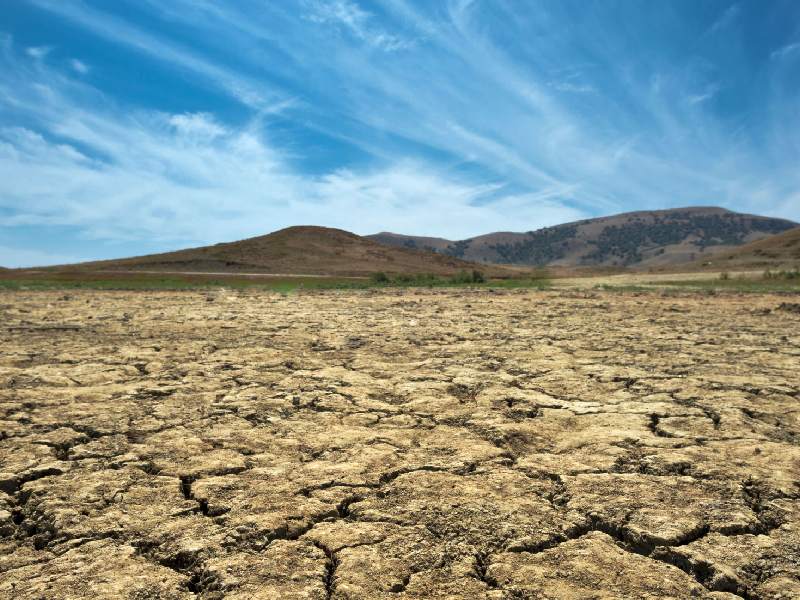
The report estimates that soil degradation has already reduced agricultural productivity by 10% in the affected regions, directly impacting the livelihoods of those who depend on farming.
“Among them, 47 million children under the age of five suffer from stunted growth,” the document warns.
According to the FAO, Asian countries are the most affected, both due to their accumulated degradation debt and their high population density. The organization stresses that land degradation is not only an environmental issue, but also one that “undermines agricultural productivity, rural livelihoods, and food security.”
“To seize these opportunities, we must act decisively. Sustainable land management requires enabling environments that support long-term investment, innovation, and shared responsibility,” said FAO Director-General Qu Dongyu.
The FAO defines land degradation as “a long-term decline in the soil’s capacity to provide essential ecosystem functions and services.”
RELATED NEWS: Microsoft teams up with Agoro Carbon to cut 2.6 million tons of CO₂ through soil-based solutions
The causes of degradation, the report explains, are a combination of natural factors—such as erosion and soil salinization—and human-driven pressures, which are increasingly predominant. These include deforestation, overgrazing, and unsustainable agricultural and irrigation practices.
According to the organization, applying sustainable practices such as crop rotation and the use of cover crops to maintain soil health, reduce erosion, and enhance biodiversity could restore enough production to feed an additional 154 million people each year.
“These figures are not abstract—they represent real opportunities to strengthen food security, reduce pressure on natural ecosystems, and build more resilient agrifood systems,” the report concludes.
The SOFA 2025 report calls for integrated land-use strategies and policy interventions, including regulatory measures such as deforestation controls, incentive-based programs, and conditionality mechanisms linking subsidies to environmental outcomes.