











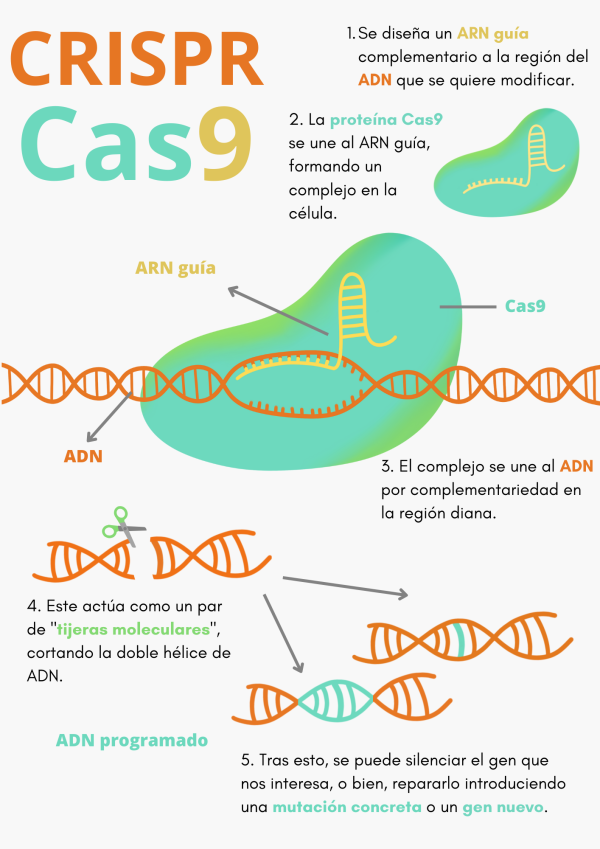
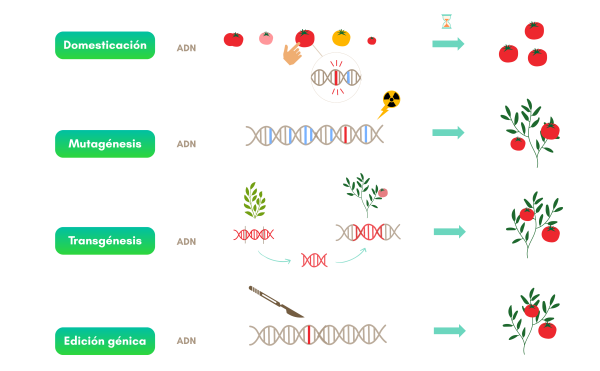
The initiative focuses on so-called New Genomic Techniques (NGTs), a group of modern methods that enable precise modifications to the DNA of plants. Among them, CRISPR has become the most widely used tool, allowing scientists to introduce targeted genetic changes without necessarily adding foreign DNA.
A shift from traditional GMO rules
Under the proposed regulation, the EU plans to differentiate between two categories of gene-edited plants.
Plants classified as NGT1, which involve a limited number of genetic changes, would be treated similarly to conventional crops and exempt from the strict requirements applied to genetically modified organisms (GMOs) under existing EU legislation.
In contrast, NGT2 plants, involving more complex genetic modifications, would remain subject to the current GMO regulatory framework, including risk assessments and authorisation procedures.
According to recent estimates, the vast majority of gene-edited plants under development in Europe could fall into the first category, significantly simplifying their path to market.
Innovation potential for agriculture
Supporters of the new framework highlight the potential of NGTs to accelerate plant breeding and improve agricultural resilience. These technologies make it possible to develop new crop varieties more quickly and efficiently, addressing challenges such as climate change, water scarcity and the spread of pests and diseases.
Examples of ongoing developments include crops with improved nutritional profiles, increased yields, or enhanced tolerance to drought, salinity and extreme temperatures. Researchers are also exploring ways to reduce the need for chemical inputs, including pesticides.
The lower cost and greater flexibility of gene-editing techniques compared to traditional genetic modification could also enable the development of niche or locally adapted crops, expanding innovation beyond large-scale industrial applications.
Ongoing debate over risks and safeguards
Despite the potential benefits, the proposed regulation continues to generate debate among scientists, policymakers and stakeholders.
European authorities maintain that current scientific evidence does not indicate specific risks associated with targeted gene editing for human health or the environment. However, some researchers and institutions are calling for a precautionary approach, highlighting the possibility of unintended effects on plant characteristics or ecosystems.
Concerns have also been raised about the environmental impact of releasing gene-edited plants into the wild, particularly in cases where genetic traits could spread to related species.
Legislative timeline and next steps
The proposal follows a provisional agreement reached in late 2025 between the European Commission, the European Parliament and the Council. Formal approval by both institutions is still required before the regulation can enter into force.
If adopted, the new rules could come into effect within the next two years, marking a significant shift in how the EU regulates genetic innovation in agriculture.
Consumer perception remains cautious
Public acceptance remains a key factor in the future of gene-edited crops in Europe. While the regulatory and scientific environment in countries such as Spain is considered relatively open, consumer attitudes remain cautious.
Recent studies indicate that consumers are more likely to accept gene-edited products if clear benefits are demonstrated, particularly in terms of environmental impact, such as reduced pesticide use or improved resource efficiency.
A turning point for European agriculture
The proposed legislation represents a turning point for the European agricultural sector, balancing the need to foster innovation with the demand for safety, transparency and sustainability.
As the EU moves towards a final decision, the outcome will shape the role of gene-editing technologies in Europe’s future food systems and its ability to respond to global agricultural challenges.