





This simplification explains the active involvement of Pro Food, a product group integrated into Unionplast, a member of the Italian Rubber and Plastic Federation, which represents the main companies producing plastic packaging for food and beverages.
The associated companies employ around 4,500 people, operate 29 production centers, and represent more than 70% of the industry’s national production.
Pro Food advocates for a technical and data-driven approach. Rather than defending plastic for its own sake, the organization proposes evaluating each solution based on its impact throughout its entire life cycle, its contribution to food safety, logistics, and waste reduction.
A debate marked by the new european regulation
With the entry into force of the Packaging and Packaging Waste Regulation (PPWR) and its application starting in August 2026, this approach acquires even greater relevance. The implementation phase is already underway, and the first guidelines from the European Commission, published less than a month ago, seek to clarify definitions and responsibilities, among other aspects, while stricter obligations begin to be applied.
In this context, Pro Food draws attention to the risk of an application that is not based on scientific evidence. For this reason, the association advocates for a postponement or review of certain targets, especially taking into account the significant operational limitations that may arise for companies.
Sustainability must analyze both broduct and packaging
The central principle of Pro Food’s position is clear: sustainability cannot be evaluated by looking solely at the packaging material, but must also include the packaged product.
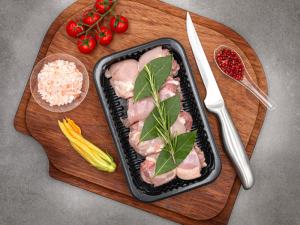
According to the association, solutions that may seemingly appear more “virtuous” could generate negative impacts if they reduce the shelf life of the food or increase waste. Life cycle analysis studies, such as the one conducted by the University of Turin on behalf of Pro Food, show, for example, the competitive environmental performance of rPET packaging, also thanks to its contribution to the reduction of food losses.
Concern over plastic restrictions on fruits and vegetables
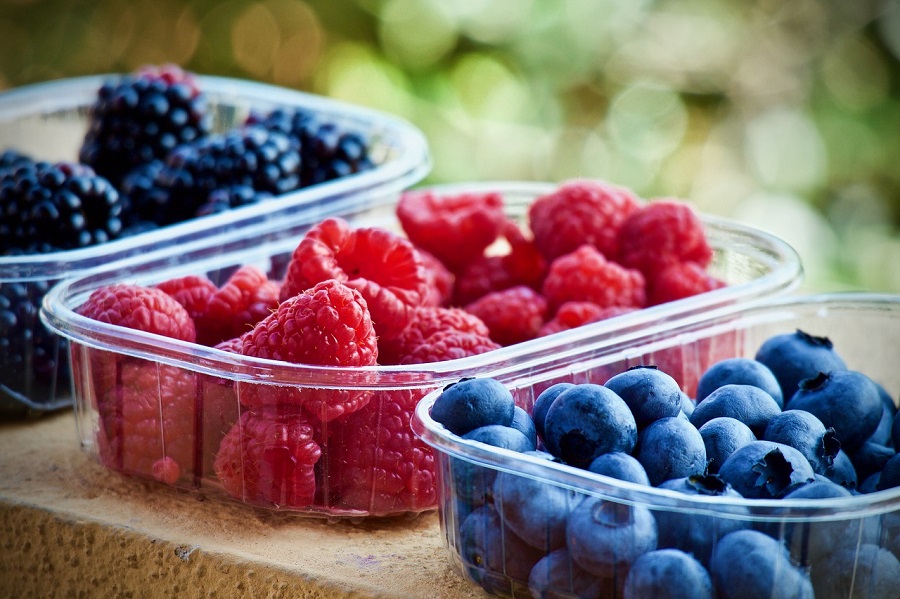
Pro Food considers the restrictions planned by the PPWR starting January 1, 2030, on the use of plastic packaging for pre-packaged fresh fruits and vegetables under 1.5 kilos and in the HORECA sector to be unacceptable, as it understands they are not based on a specific impact assessment.
RELATED NEWS: Pro Food turns to sport to spread the message on the benefits of plastic packaging
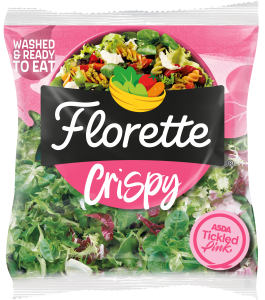
The association recalls that approximately 50% of fresh fruits and vegetables in Europe are already marketed in bulk, that plastic packaging for fresh fruits and vegetables represents only 1.5% of all food plastic packaging, and that the sector has already achieved high levels of recycled content, in some cases above the targets set by the PPWR for 2040.
For Pro Food, these data highlight the need to align regulatory objectives with current industrial capacities.
Risk of single market fragmentation
The organization also warns of a possible risk to the European single market. The eventual definition of exemption lists for fruit and vegetable products that can continue to be packaged in plastic, if these differ between Member States, could fragment the system.
This would force companies in the fruit and vegetable sector to adapt their packaging country by country, with impacts on costs, logistics, and the free movement of goods.
For this reason, the association is working on several fronts: participation in the work on delegated acts and implementation guidelines, dialogue with institutions, and support for legal initiatives on aspects it considers critical within the regulation.
Optimize and recycle, do not eliminate when it adds value
Pro Food’s position can be summarized in one idea: the transition must be coherent and based on scientifically proven data. Plastic packaging must be optimized and recycled for reuse, but not eliminated where it fulfills an essential function.
The future of food packaging, according to the organization, involves eco-design, innovation, recycling chains, and scientific evaluations capable of measuring the real impact of alternatives.
From this perspective, Pro Food positions itself as a technical partner of the agri-food chain, with the aim of combining environmental sustainability, food safety, and industrial competitiveness throughout the entire life cycle of the product.