







A focus on avocado and one about artificial
Avocado: European per capita consumption rises from 0.8 kg to 1.8 kg in 10 years
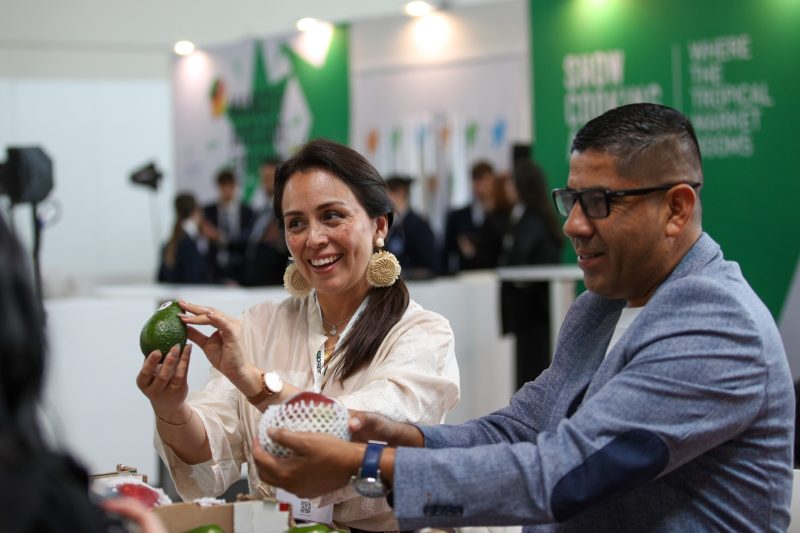
Avocado took centre stage on the second day of Macfrut. Speaking about the market and production of this increasingly popular
Vorster emphasised the importance of raising consumer awareness of the product, which has seen European annual per capita consumption rise from 0.8 kg to 1.8 kg over the past decade. In Italy, consumption reached 1.12 kg per capita in 2025, confirming the growing popularity of avocado among Italian consumers. Italian prices are currently the highest in Europe, posing a challenge in reaching new consumers.
RELATED NEWS: Macfrut 2026, highlights of the opening day
To further boost consumption, WAO aims to promote awareness of the benefits of avocado consumption through widely used social media channels – especially TikTok for recipes and practical tips – as well as through press articles and dedicated information campaigns. Avocado is mainly consumed at lunch and dinner, while for breakfast the most common occasion remains the weekend brunch. In conclusion, according to Vorster, the Italian market is growing steadily, with 55,000 tonnes sold at retail annually (CIRAD), up 28% compared to the previous year, while retail prices have increased by 12% year-on-year.
In the second and final part of the panel, four significant case studies were presented. Matteo Lesma, Category Manager at Spreafico; Arturo Medina Castro, Director of Peru’s Prohass; Leah Sonkoi Maja, Vice President of the Fresh Produce Exporters Association of Kenya (FPEAK); and Osmar Benitez, Executive Vice President of the Junta Agroempresarial Dominicana, shared insights from their respective organisations.
Data, IoT and Artificial Intelligence:
Collecting real-time data through sensors installed in the soil and on crops, and continuously monitoring production trends and environmental conditions: this is made possible by technologies based on the Internet of Things (IoT), which—combined with data analysis and artificial intelligence—becomes a strategic factor for fruit and vegetable companies in terms of overall efficiency.
This topic was addressed during a workshop organised with the Polytechnic University of Turin and the University of Bologna. Matteo Golfarelli, founder of the Master’s Degree in Digital Transformation Management and lecturer in Data Driven AI at the University of Bologna, focused on the technological transition currently affecting the agricultural sector—seen by some as an opportunity and by others with concern—and on the importance of how data is collected in order to achieve concrete results and cost reduction. To manage the digital transition effectively, in addition to skills, organisation and a strategy capable of integrating data and agronomic knowledge are essential, he noted.
Danilo Demarchi, founder of the Master’s Degree in
presented examples of innovative IoT systems applied to data collection in the field. He stressed that collecting
Giorgio Alfei, Practice Director Big Data & Cloud at Horsa Insight:
presented the case history of Spreafico, which adopted an IoT platform to manage its various systems and protocols in an integrated way, reducing inefficiencies, waste and delays through a widespread network of sensors, ultimately improving both profitability and sustainability.