








The European agri-food sector could be heading towards a crisis even more severe than that experienced in 2021–2022, following the COVID-19 pandemic and the outbreak of the war in Ukraine. According to an analysis by Roland Berger, the conflict involving Iran and the resulting disruption in the Strait of Hormuz risk triggering a new wave of cost inflation across the entire food value chain—from agricultural production to retail prices for fruit and vegetables.
In its report “Impact of rising fertiliser prices”, the consultancy warns that supply disruptions could significantly increase costs throughout the agri-food system. Data from CRU and Kpler point to an unprecedented collapse: daily fertiliser shipments through the Strait of Hormuz have fallen from 100–200 units per day to virtually zero within a matter of weeks. Around one third of global urea exports—the most widely used nitrogen fertiliser—and 45% of global sulphur exports, a key raw material for phosphate fertilisers, pass through this corridor.
A different crisis: physical scarcity of inputs
Unlike the previous crisis, the current disruption introduces an additional constraint: not only are production costs rising due to higher energy prices, but the physical availability of key raw materials is also being limited by the blockage of one of the world’s main trade routes.
During the 2021–2022 crisis, urea prices tripled, electricity costs increased twelvefold, and container shipping rates surged by 80%. Today, these pressures are compounded by actual shortages, on top of price levels that never returned to pre-COVID levels.
A €5.6 billion Spanish market with uneven exposure
Roland Berger’s analysis draws on its assessment of the Spanish agricultural inputs market, valued at approximately €5.6 billion at farm-gate prices in 2025. This market is divided into four segments with varying levels of exposure.
Plant nutrition (conventional fertilisers), representing around 50% of the market, is expected to be the most affected due to its direct dependence on blocked raw materials such as urea and sulphur. In contrast, crop health products—including biostimulants and organic fertilisers—show lower exposure, as they rely on more localised supply chains. Crop protection products and seeds are expected to face moderate or limited impacts.
The report outlines different scenarios depending on how long disruptions persist. In a short-term scenario (1–3 months), fertiliser prices could rise by 30% to 50%. In a prolonged scenario (over six months), increases could reach 150% to 200%, surpassing levels seen during the previous crisis.
Other segments, such as crop protection or biological products, are expected to experience more moderate price increases, reinforcing their positioning as more stable alternatives in volatile environments.
Impact on farmers, consumers and distribution
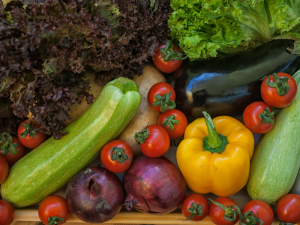
Cost increases are expected to be passed on to consumers unevenly, depending on the type of crop. Greenhouse crops such as tomatoes, peppers and cucumbers—highly input-intensive—could see price increases of 15% to 25%. Leafy vegetables may rise by 12% to 20%, while categories such as olive oil, fresh fruit and cereals will also be affected, albeit to a lesser extent.
In cereals, despite lower input costs per hectare, the already tight margins mean that any increase will likely be almost fully transferred to final prices. The potential impact of trade developments, including the Mercosur agreement, remains uncertain.
RELATED NEWS: Fertiliser crisis threatens global food security
Farmers are expected to be among the most affected, particularly individual producers operating with narrow margins. During the previous crisis, many reduced input use to contain costs—a strategy likely to be repeated, increasing the risk of farm abandonment, especially among smaller operations.
At the same time, the agricultural input distribution market—highly fragmented, with more than 700 operators in Spain—is likely to see accelerated consolidation. Larger distributors, with stronger financial capacity, will be better positioned to build inventories and anticipate price increases, while smaller players may face margin pressure and higher default risk.
Biological solutions emerge as a structural alternative
The analysis points to a structural shift in the sector: accelerated adoption of biological solutions such as biostimulants, organic fertilisers and biocontrol products.
These solutions are less dependent on imported raw materials, require lower energy inputs and offer higher margins, making them more resilient and attractive for both manufacturers and distributors. The crisis could bring forward their adoption by two to three years, particularly in high-value crops.
“The crisis could act as a catalyst for the transition towards agricultural models less dependent on conventional fertilisers. But the message goes beyond the current situation: each time a geopolitical crisis disrupts the supply chain of synthetic fertilisers, the case for more resilient agricultural systems—with shorter supply chains and a stronger role for biological innovation—becomes clearer. Cost pressures are pushing the sector to seek more efficient and sustainable alternatives, and this time the transformation could be irreversible,” said Fernando López de los Mozos, Senior Partner at Roland Berger in Iberia and Head of Agroindustry, Consumer Goods and Retail.