







The retail sector took part this week in a series of discussions in Brussels on the future of European trade, Retail & Wholesale Week 2026, organised by EuroCommerce at the European Parliament, bringing together institutions, companies and associations from across the continent. In this context, ANGED conveyed to European representatives the need to move forward with solutions that improve consumer information while strengthening the functioning of the Single Market.
The diversity of labelling requirements across Member States —and even at regional level— creates operational complexity, increases costs and hinders the free movement of goods within the internal market. This fragmentation can also encourage territorial segmentation dynamics that limit the efficiency of European trade.
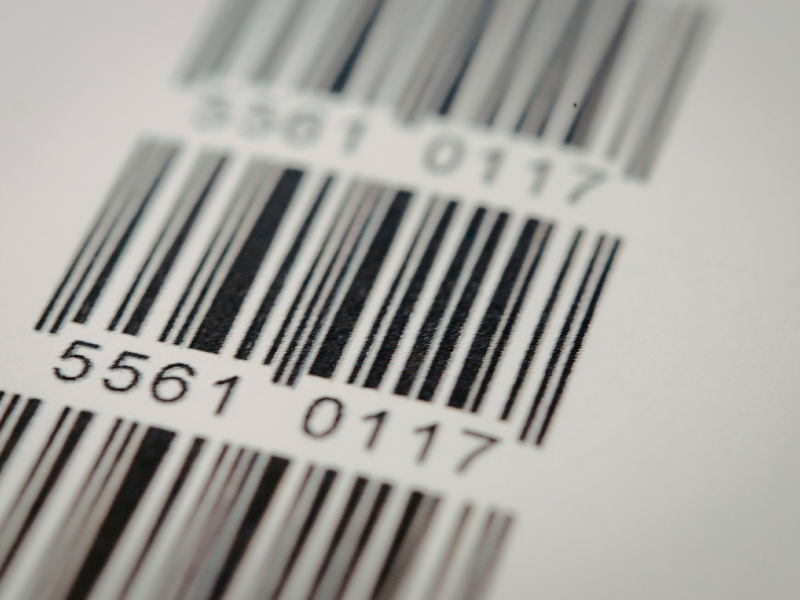
In this context, digital labelling allows for expanded consumer information beyond the physical limits of the product, facilitating updates, multilingual adaptation and improved accessibility without the need to multiply packaging formats or versions for different markets. This approach is aligned with initiatives such as the future Digital Product Passport and with EU objectives on regulatory simplification and digitalisation.
RELATED NEWS: EU packaging regulation enters into force in August 2026
Teresa Herrero, Director of European Affairs at ANGED, stated: “Labelling is described by the European Commission as one of the ‘ten terrible barriers’ to the Single Market and competitiveness. Europe has the opportunity to move towards a model of consumer information that is more accessible, more efficient and fully integrated, improving the overall consumer experience.”
The sector argues that these solutions should be addressed from a European perspective, through a harmonised framework that allows any consumer to access product information in their own language, in a clear and user-friendly way. Advancing towards a common digital system would help remove part of these technical barriers and support greater integration of the internal market. According to the International Monetary Fund, such barriers are equivalent to an internal tariff of 41% on goods.