








Widespread crop losses
A lack of rainfall and high temperatures have worsened the water deficit since June. Even open-field irrigation, which is uncommon in the region, is not always enough to offset the stress suffered by crops.
“Every day that passes means more vegetable losses for Prince de Bretagne growers, and all crops are affected, especially those without irrigation,” warns Marc Kerangueven, president of AOP Cerafel and a Prince de Bretagne grower.
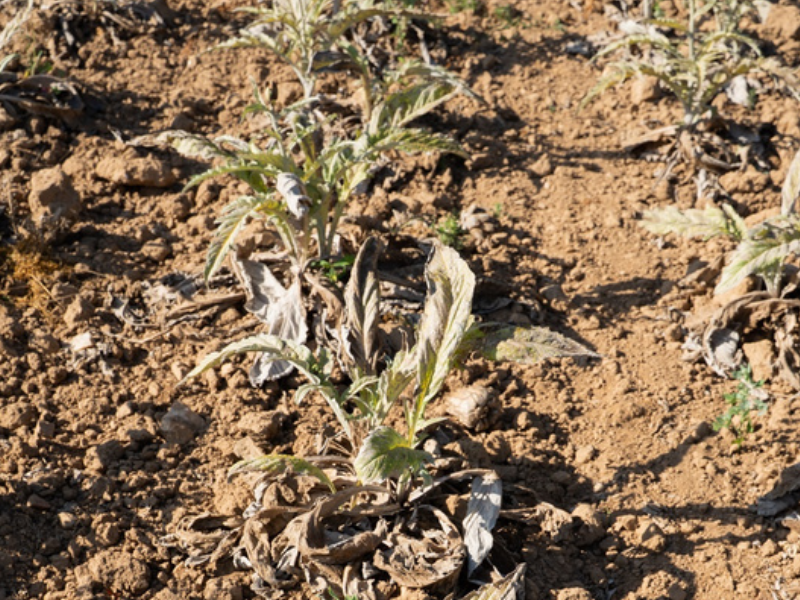
In detail, losses are estimated at between 50% and 100% for artichokes and around 60% for broccoli. For cauliflowers, growers report losses of around 20% in current crops, rising to 100% on unirrigated plots.
Losses of young plants are also threatening the volumes expected for autumn and winter. In the case of Paimpol coco beans and head cabbage, yields could fall by 50%, while losses in peas exceed 40%. Courgette volumes are down 25%.
Onions, leeks and covered crops also under pressure
Losses stand at around 25% for traditional shallots and between 30% and 35% for onions. Lettuce varieties are recording an average yield reduction of 35%, with losses reaching 50% for head lettuce.
Other crops are also suffering the effects of drought. Losses are estimated at between 15% and 40% for organic chicory, around 20% for conventional chicory, between 15% and 20% for mushrooms, and between 10% and 30% for pumpkins and leeks, depending on access to water.
For mini vegetables, losses can reach 100% in mini carrots, with an estimated average of 30% across the range. Early plantings of Romanesco have also been severely affected, with plants struggling to recover and losses potentially reaching 100%.
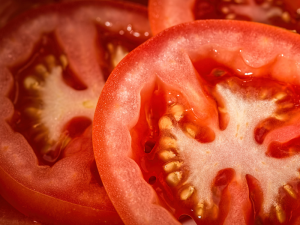
Heirloom vegetables are facing major difficulties as well, particularly parsnips, with losses ranging from 15% to 90% and highly variable quality and sizes. Under cover, despite the use of drip irrigation, crops such as tomatoes, strawberries, peppers and cucumbers are also recording significant losses in both yield and quality.
“We will have to learn to store winter rainwater”
Prince de Bretagne warns that only 20% of market gardeners are equipped for irrigation, a situation that leaves the sector with limited capacity to cope with extreme weather events such as the current ones.
Growers are calling for water management to become a national priority. Specifically, they are asking for faster decisions on winter water storage, secure irrigation permits and support for water-related investments that are essential to the survival of farms.
“We will have to learn to store winter rainwater,” stresses Marc Kerangueven, who notes that Brittany benefits from high annual rainfall but now needs to conserve that resource more effectively to cope with heatwaves the region has never experienced before.
At the same time, growers have been working for several years on developing varieties that are more resistant to water stress, in collaboration with the Organisation Bretonne de Sélection and through trials at the CATE and Terre d’Essais experimental stations.
Retailers asked to show more flexibility
Beyond yield losses, Prince de Bretagne is also warning of commercial downgrading, production line stoppages and the risk of temporary unemployment. AOP Cerafel, which also represents a horticultural sector heavily affected by drought, sunscald and quality losses across many crops, estimates that turnover is down 10%.
Reduced supply is already beginning to show on fruit and vegetable shelves. For this reason, Prince de Bretagne has asked central purchasing organisations to temporarily accept produce with defects caused by drought, relax criteria relating to size, weight and appearance, and maintain closer dialogue to secure supplies.
RELATED NEWS: France produces more organic potatoes despite declining consumption
Some retailers have already responded to this appeal. Carrefour and Coopérative U announced that they would relax their specifications to facilitate the sale of affected crops and review their purchase prices. Carrefour also said it would suspend penalties for late deliveries in the event of logistical or supply difficulties.
Raising consumer awareness of less-than-perfect vegetables
“The ‘perfect’ vegetables we are used to seeing will not necessarily be available this summer,” explains Chloé Le Corre, Communications Officer at Prince de Bretagne.
Faced with produce that may be smaller or irregularly shaped, the Breton organisation is asking consumers to be more flexible in their purchasing decisions and to prioritise French produce in order to support growers.
“We have people on the ground raising awareness among department managers and putting up posters in shops aimed at consumers to explain the situation,” says Le Corre. Prince de Bretagne is also working with mainstream media to inform the public about the difficulties currently facing producers.