









Brazil’s fruit export sector is facing a period of caution and uncertainty following the latest tariff measures announced by the United States administration, which could affect the competitiveness of several Brazilian agricultural products in the North American market.
Although a significant share of tropical fruits and citrus products has been included in exemption lists, the impact on specific categories and the ongoing fluctuation in U.S. import policies are keeping Brazilian producers on alert.
Additional 25% tariff under Section 301
The U.S. administration recently announced the implementation of a 25% tariff on imports of Brazilian products under Section 301, with general entry into force scheduled for 22 July 2026.
According to DW, the measure is linked to disputes over digital trade, electronic payment services, ethanol and deforestation, and excludes products such as coffee and meat.
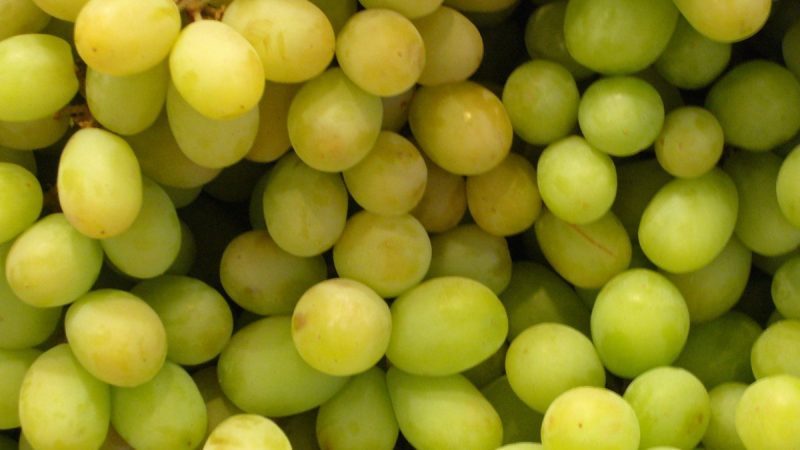
Table grapes face a total 35% tariff
The Brazilian Association of Fruit Producers and Exporters (Abrafrutas) stated in a press release that the additional 25% tariff would bring the total duty on Brazilian grapes to 35%, combining the previous 10% rate with the newly announced 25% tariff.
Melons and watermelons will also be subject to the new tariffs.
RELATED NEWS: Brazil set for record 60,000-tonne Hass avocado harvest in 2026
Abrafrutas is advising producers and exporters on possible responses to the new scenario, including the diversification of export destinations, particularly towards Asia and Europe, and the adoption of new commercial strategies.
U.S. market loses ground for Brazilian grapes
In 2025, Brazil exported grapes to the United States worth approximately US$41.5 million, equivalent to around 14,000 metric tonnes.
During the first five months of 2026, Brazilian grape exports to the U.S. reached 46 TEUs, representing a 79.6% decline compared with the same period in 2025.
The new tariff framework therefore adds further pressure to a market that was already showing a sharp reduction in shipments, forcing Brazil’s fruit exporters to reassess their commercial options and reinforce their search for alternative markets.