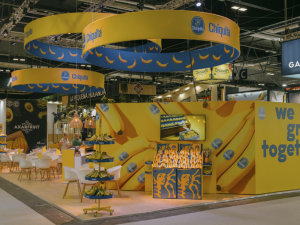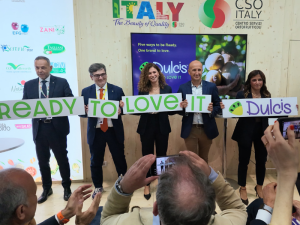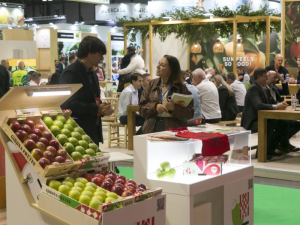








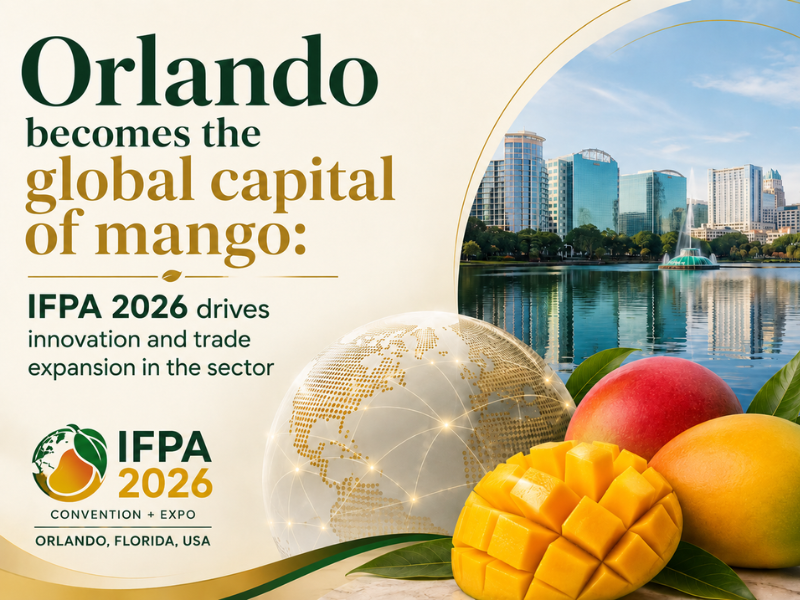
Considered one of the leading international events for the fresh produce industry, the show will bring together thousands of growers, exporters, importers, supermarket chains, logistics companies and technology suppliers from more than 60 countries, consolidating its position as a strategic platform for generating business and strengthening commercial partnerships.
For the mango industry, IFPA represents far more than a trade show. It is a forum where consumer trends, marketing strategies and opportunities to increase the fruit’s presence in the US market and other international destinations are discussed and shaped.
One of the key players will be the National Mango Board (NMB), an organisation that has played a decisive role in increasing mango consumption in the United States through an integrated strategy based on promotion, scientific research and strengthening the entire value chain.
The National Mango Board, a benchmark for the industry
The National Mango Board has established itself as one of the leading promotional organisations within the US agri-food sector. Its work has helped mangoes gain an increasingly prominent place in American households through campaigns aimed at consumers as well as supermarkets, distributors, foodservice operators and health professionals.
Its main areas of activity include:
- Year-round promotion of mango consumption.
- Digital marketing and communication campaigns involving chefs, nutritionists and influencers.
- Research into consumer preferences and market trends.
- Training for retailers to improve mango presentation and merchandising.
- Support for scientific studies highlighting the fruit’s nutritional attributes.
- Stronger collaboration between growers, exporters and importers.
Thanks to these efforts, mangoes have experienced sustained growth in the US market, consolidating their position as one of the tropical fruits with the greatest potential.
The United States, a key driver of global mango trade
The United States remains the leading destination for global fresh mango exports. Mexico continues to be the main supplier to the US market, while Peru, Ecuador, Brazil, Guatemala and the Dominican Republic complement supplies throughout the year.
This practically continuous availability allows retailers to offer mangoes 52 weeks a year, supporting consumption growth and encouraging repeat purchases.
IFPA 2026: an opportunity for further growth
The Orlando event will provide an ideal setting to examine the main challenges and opportunities facing the industry, including:
- Increasing per capita mango consumption.
- Improving profitability throughout the supply chain.
- Driving innovation in packaging and logistics.
- Making further progress on sustainability and reducing food waste.
- Harnessing new digital tools to promote mangoes.
- Diversifying international markets.
The show will also allow Latin American exporters to strengthen commercial relationships with major US buyers and showcase new varieties, formats and solutions tailored to changing consumer demands.
An industry with strong growth prospects
Growing consumer interest in healthy, natural and nutritionally valuable foods continues to support global mango demand. Against this backdrop, the work of the National Mango Board will remain important in maintaining momentum in the US market and generating new opportunities for producing countries.
RELATED NEWS: National Mango Board drives the success of mangoes in the US
The mango industry’s participation in IFPA 2026 confirms the event as one of the key meeting points for shaping the future of the sector. Growers, exporters, importers, supermarkets and service companies will have the opportunity to exchange knowledge, develop commercial agreements and strengthen the competitiveness of a fruit whose international demand continues to grow.
With the support of the National Mango Board and IFPA’s ability to bring the industry together, Orlando will once again become the global capital of fresh produce for three days, with mangoes taking a prominent place within the international fruit and vegetable industry.