









The country was surpassed only by Mexico, with exports exceeding $ 1.2 billion, while Brazil, Chile, and Guatemala completed the regional ranking.
This was highlighted by Edgar Vásquez, director of CIEN-ADEX, during the first edition of the Expo Hierbas & Especias in Tacna. The specialist underscored the potential of these products in the international market, driven by factors such as the boom in Peruvian gastronomy, growing demand for healthy foods, the network of trade agreements, and the country’s logistical positioning.
The Peruvian export portfolio primarily includes onions, paprika, and ginger, whereas Mexico leads with products such as sauces, peppers, chilies, and herb blends. In recent decades, this sector has exhibited consistent growth, with an average annual growth rate of 12.3% between 2000 and 2025.
RELATED NEWS: Logistics strain the competitiveness of the Peruvian blueberry sector
The primary export regions include Tacna, Lima, Ica, Junín, La Libertad, and Arequipa. Specifically, Tacna’s exports of herbs, spices, and condiments amounted to $ 25.1 million in 2025, representing a 29.7% increase over the previous year.
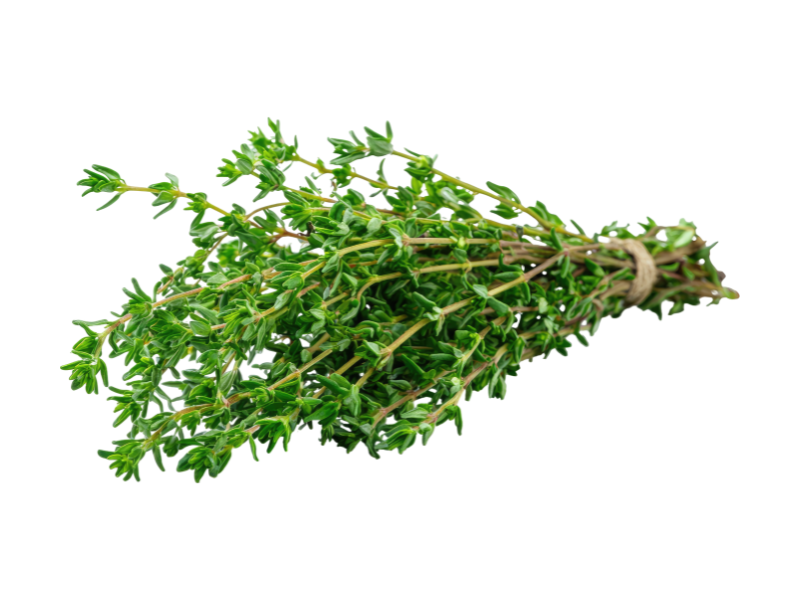
This region’s most notable products include herbs like oregano, rosemary, and marjoram; spices such as paprika, dried ginger, and turmeric; and condiments like sillao, cumin, and vinegar. Its primary markets were Brazil, the European Union, Chile, Argentina, and Ecuador.
Vásquez stressed that Tacna has significant export potential in this area. Since 2000, when sales abroad totaled 2.7 million dollars, the region has increased its export volume ninefold, consolidating its position as an important player in the Peruvian supply chain.
Source: agraria.pe