









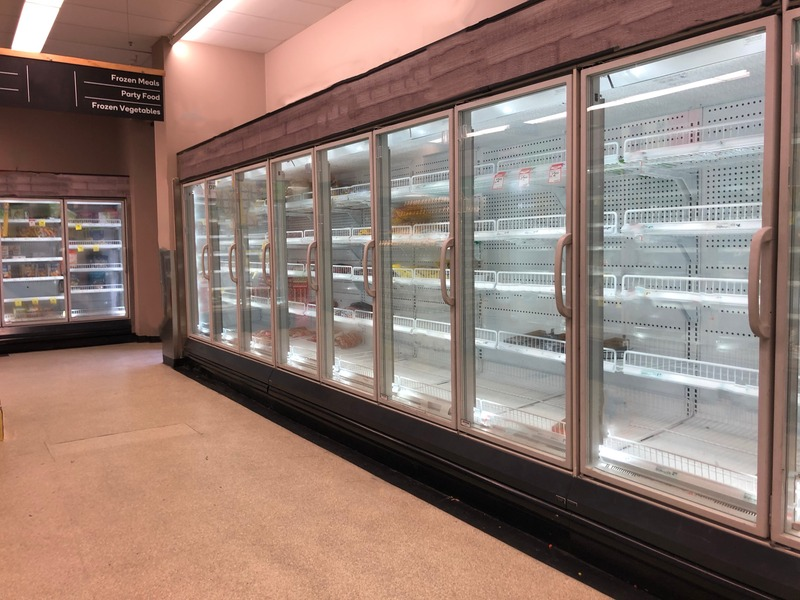
The incidents occurred during the early hours of Monday, November 2, several weeks after a similar attack affected hundreds of French supermarkets. In that case, hackers remotely manipulated refrigeration systems, causing temperatures to rise sharply and resulting in significant food losses.
Refrigeration systems targeted remotely
In Sweden, several ICA and Coop stores reported problems with their refrigeration and freezer systems. Coop confirmed that seven of its stores were affected, while ICA said a limited number of locations had experienced an overnight incident.
In Ireland, 13 SuperValu stores were affected, according to operator Musgrave. The company said monitoring systems detected the problem and that chilled and frozen products had to be removed from sale.
Belgium was also significantly affected. Incidents were reported at dozens of Delhaize stores, 15 Carrefour locations and several other retailers, including Spar. Some stores recorded substantial increases in refrigeration temperatures, resulting in food losses.
Similar incidents were reported in the Netherlands, where Danfoss said at least 17 companies had experienced attacks on their refrigeration systems. Cases were also reported in Estonia and Luxembourg.
A vulnerability already seen in France
The mechanism appears to be similar to the attacks recorded in France in October. According to refrigeration specialist Sabcobel, the attackers remotely activated evaporators and switched refrigeration units into defrost mode, causing temperatures to rise.
The incidents have raised concerns about the cybersecurity of connected refrigeration equipment used throughout the food retail sector. These systems are increasingly managed remotely and integrated into digital networks, creating additional potential points of access for attackers.
Danfoss, whose equipment was involved in some of the affected systems, said customers using outdated software were among those impacted and had previously been advised to update their systems.
Food waste and supply-chain risks
The attacks highlight the vulnerability of the cold chain, a critical component of the fresh produce and food supply chain. A disruption to refrigeration systems can quickly compromise the quality and safety of perishable products, forcing retailers to dispose of stock and potentially affecting availability at store level.
The absence of a ransom demand in the reported incidents has also raised questions about the motivation behind the attacks. Cybersecurity specialists have suggested that the incidents could be linked to sabotage rather than conventional financial extortion, although no group has claimed responsibility.
RELATED NEWS: Brussels places agriculture among priority sectors for AI development
Authorities have not yet identified those behind the latest attacks, nor confirmed whether the incidents across the different countries are connected.
The repeated targeting of supermarket refrigeration systems underlines the need for retailers and food-chain operators to strengthen cybersecurity across operational technology, particularly systems controlling refrigeration, energy management and other critical physical infrastructure.