









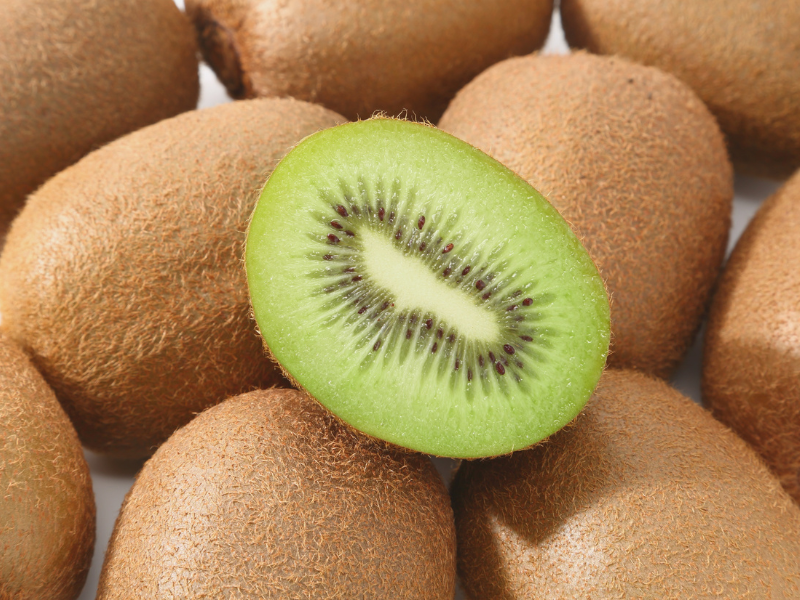
Chile’s kiwi sector continues to advance its international positioning strategy, with a strong focus on developing new markets in Asia and preparing for significant production growth over the coming years.
According to Carlos Cruzat, representative of the Chilean Kiwi Committee, Asian markets operate differently from traditional destinations such as Europe and the United States, where access negotiations are generally managed on a broader basis.
“In Asia, there is no simultaneous negotiation in the way that it is done with Europe or the United States,” explains Cruzat. Each fruit must complete its own admissibility process before another product can move forward.
New opportunities in Vietnam and Asia
In the case of kiwifruit, the access protocol with Vietnam is almost complete, with only an inspection visit scheduled for March 2027 remaining before definitive approval can be granted.
Once this process is completed, negotiations for other Chilean products, such as blueberries, will be able to advance, while alternative access conditions for cherries have already been agreed.
Cruzat describes 2026 as a continuation of a “historically fantastic” 2025, with increased global availability. New Zealand is expected to grow its volumes by 4–5%, while Chile could increase its production by 17–20%.
In the United States, the removal of the 10% tariff applied the previous year contributed to a significant rise in Chilean shipments, with export volumes increasing by almost 50%. This growth has taken place alongside rising consumer interest in kiwifruit due to its vitamin C and fibre content.
According to Cruzat, the category is growing by around 30% annually in supermarkets, while online sales are also increasing at similar rates, exceeding the average growth of fruit e-commerce.
Production growth requires market diversification
Looking ahead, the Kiwi Committee forecasts a 50–55% increase in Chilean kiwi volumes by 2030 compared with 2025, while current plantings could lead to growth of up to 140–150% by 2035.
This expansion will make it essential to diversify export destinations. Chile is therefore developing promotional campaigns in markets including India, Brazil, Mexico and the United States, where per capita kiwi consumption remains significantly below European levels.
While European consumers consume around 2 kilograms per person per year, consumption in these emerging markets ranges between 50 and 350 grams annually, representing a significant growth opportunity.
New varieties and production challenges
Among the main challenges facing the sector, Cruzat highlights the need to expand the adoption of yellow and red kiwi varieties, which are currently limited by the presence of a soil-borne fungus.
The sector must also address the need to renew older orchards to maintain fruit quality and ensure competitiveness as production volumes increase.
Adapting to Asian consumer preferences
The Asian market represents a major opportunity, although Chile must adapt its products to local preferences. Cruzat points out that in China, current Chilean varieties are considered too acidic for many consumers, creating a need to develop sweeter, lower-acidity varieties better suited to subtropical and tropical markets.
RELATED NEWS: Chile and China ease requirements for fresh fruit exports
Packaging and distribution models also vary significantly between countries. In India, for example, modern retail represents only around 8% of fruit sales, with most purchases taking place through traditional markets and small stores.
In this environment, packaging must be adapted to local consumption habits. Much of the fruit is repacked to meet the needs of different regions, reflecting the diversity of a country that Cruzat describes as “a mega-continent in its own right”.
India campaign expands beyond major cities
To strengthen kiwi consumption in India, the Chilean Kiwi Committee has expanded its promotional activities beyond the country’s largest urban centres, targeting secondary cities and coastal tourist destinations.
According to Cruzat, these locations offer a different consumption opportunity, as fruit purchases are often linked to leisure and holiday experiences.
“It’s more recreational. You’re on holiday and feel like eating it,” he explains.
Through this approach, Chile aims to create new consumption occasions and encourage kiwifruit demand among consumers who may not yet include the product regularly in their diets.