








The conflict in the Middle East and the closure of the Strait of Hormuz are causing major disruptions to international trade, with a direct impact on the fruit and vegetable sector. One of the most immediate consequences is the blockage of more than 250 containers of French apples—around 5,000 tonnes—bound for Middle Eastern markets such as Dubai, as well as some Asian destinations.
The estimated value of the stranded shipments ranges between €7 and €8 million, in a context marked by rising logistics costs and increasing uncertainty in maritime transport.
Rising costs and alternative routes
This situation is compounded by surcharges imposed by shipping companies due to war-related risks, even for cargo already in transit. According to sector sources, these additional costs could amount to nearly €900,000 for French exporters.
Insurance has also become a critical issue. In some cases, war-risk coverage has been withdrawn, while in others premiums have surged significantly, further complicating trade operations.
Faced with these constraints, operators are exploring alternative routes. One option is to reroute shipments via the Cape of Good Hope, avoiding the conflict zone but adding around ten days to transit times for Asian destinations.
Declining consumption in the French market
Alongside logistical challenges, the domestic French market is showing signs of weakening consumption. Although it is still early to fully assess the 2025–2026 campaign, initial indicators point to a negative trend.
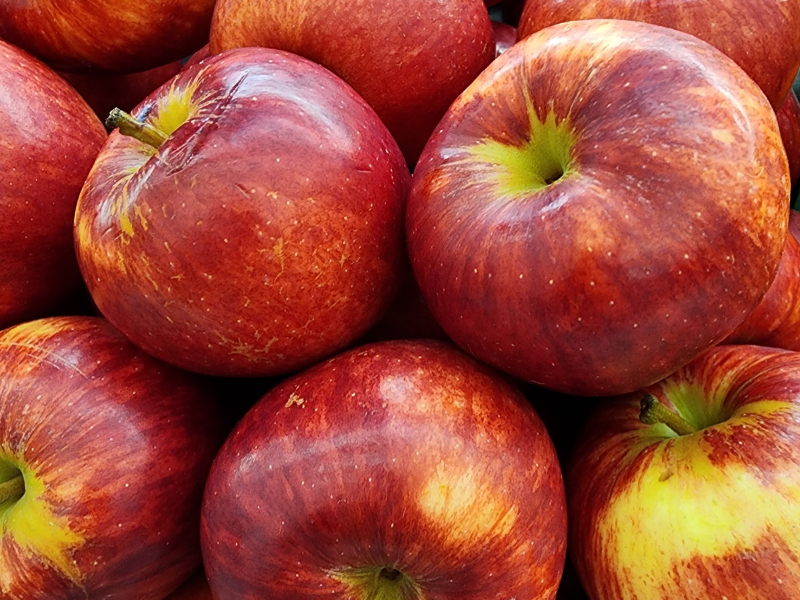
The decline affects a broad range of fruit and vegetable categories, with the exception of exotic fruits and bananas, which are performing better. In the case of apples, purchased volumes since the start of the season are 6% lower than last year and 9% below the average of the past three years.
RELATED NEWS: Fresh produce prices expected to rise as Middle East tensions disrupt supply chains
This drop comes at a time of elevated prices, averaging €2.20 per kilo since the beginning of the season, which is influencing household purchasing decisions.
Price pressure weighs on demand
Higher food prices, combined with geopolitical uncertainty and expectations of rising energy costs, are forcing consumers to reassess their spending. In this context, fresh produce often becomes an adjustment variable within household budgets.
A similar trend is observed in the pear market. Volumes purchased are down 8.8% year-on-year and 12.5% below the three-year average. Prices remain high, averaging €3.06 per kilo this season.
However, there has been a shift in supply origins, with a stronger presence of French-grown pears in retail outlets compared to imports, reflecting efforts to prioritise domestic production amid ongoing international uncertainty.