






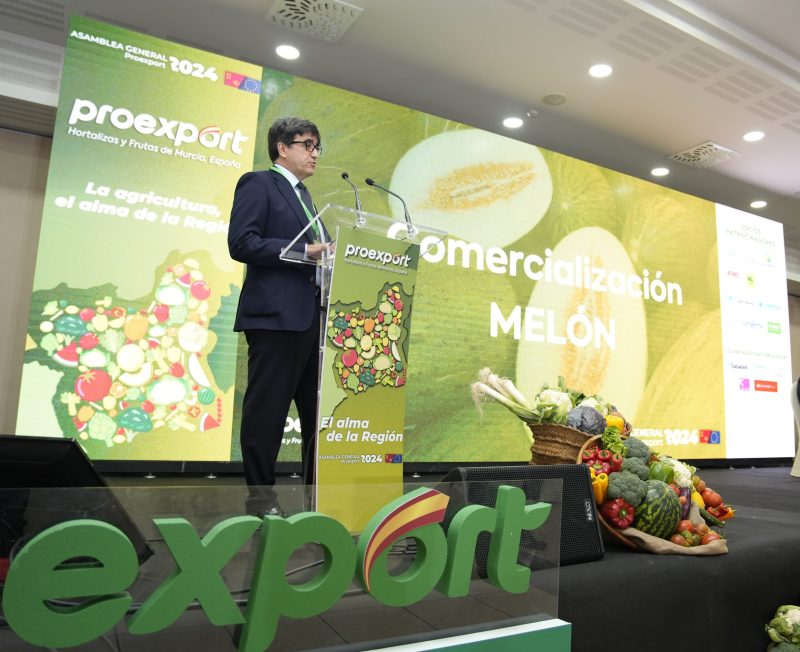
Compared with watermelon, which has made significant progress in segmentation, convenience, sizing, seedlessness and guaranteed eating quality, melon still needs to offer consumers a more consistent experience. According to José Cánovas, President of Proexport’s Melon and Watermelon Committee, the challenge lies in delivering more uniform flavour and aroma.
“It is not about producing more, or even producing well. It is about ensuring that consumers know what they are going to find when they buy a melon. The goal is to encourage repeat purchases.”
In this context, Galkia® has become an example of where the category could evolve. This Galia melon type has succeeded in recovering some of the traditional sensory attributes associated with the variety, offering a proposition centred on flavour, aroma and product consistency throughout the season.
The comparison with watermelon is inevitable. Years ago, that fruit also faced certain consumption barriers, but varietal and commercial innovation enabled the sector to overcome many of them.
Melon, however, still has room to follow the same path. The category offers enormous varietal diversity — Piel de Sapo, Galia, Cantaloup, Yellow Melon and Charentais — but this diversity must be accompanied by greater clarity for consumers. The objective is not to replace Piel de Sapo, but to create space for new melon types capable of connecting with different consumer profiles, particularly younger generations.
Optimism in Murcia
Cánovas highlights that plantations are currently in very good phytosanitary condition and that, although it is still too early for definitive assessments, crop development has progressed favourably.
One of the most relevant factors this season is the absence of significant water-related problems. While this may only be a temporary respite, it allows growers to approach the campaign under more favourable conditions.
RELATED NEWS: Bio-red, a Proexport initiative
Plant health will also remain a decisive factor. Melon and watermelon crops are highly exposed to climatic developments and pest pressure, meaning that the current good condition of plantations does not eliminate the need for caution.
“The future of melon does not depend solely on defending acreage or production volumes, but on strengthening its value in the eyes of consumers. And that value is built through flavour,” concludes the executive.