







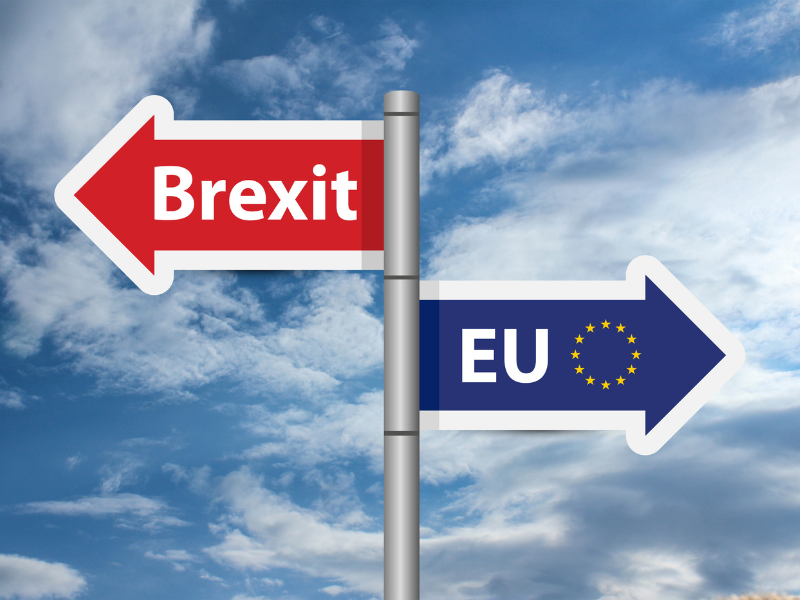
Data on the evolution of Spanish fresh fruit and vegetable exports to the UK between 2016 and 2025 show a 16.6% decline in export volume, from 1.55 million tonnes to 1.29 million tonnes. In contrast, export value increased by 29.5%, from €1.753 billion to €2.270 billion in 2025, according to figures from the Department of Customs and Excise, processed by FEPEX.
When comparing 2021, the first year after the UK’s effective departure from the single market, with 2025, volumes fell by 14.4%, while value rose by 8.1%. This trend shows that the UK remains the third destination for Spanish fruit and vegetable exports, after Germany and France, with 1.3 million tonnes and €2.270 billion in 2025.
This performance points to a scenario of higher selling prices, but also higher costs and growing competitive pressure. Therefore, the increase in value cannot automatically be interpreted as an equivalent improvement in profitability.
More requirements and higher costs
Following Brexit, the UK introduced additional requirements to control imports of fruit and vegetables and other fresh products from the EU. These measures have been implemented in phases, resulting in a greater administrative burden and increased costs.
Specifically, since January 2021, most fresh fruit and vegetables have required the submission of a customs declaration (DUA) and a certificate of conformity with marketing standards. Both requirements have been taken on by operators.
Another additional requirement introduced in 2021 was the obligation for fruit and vegetable exports to be accompanied by a phytosanitary certificate. However, this requirement has been postponed several times due to the complexity of its implementation and the high cost associated with these controls.
RELATED NEWS: The food sector calls for stability amid a potential post-Brexit regulatory shift
The phytosanitary certificate requirement has not yet entered into force for fruit and vegetables classified as medium risk or no risk. It is currently expected to be implemented in January 2027. However, for products classified by the British authorities as high risk, such as flowers and plants and potatoes, the requirement has been in force for several years.
At the same time, the European Commission and the United Kingdom are negotiating a sanitary and phytosanitary protocol (SPS) that could avoid the application of these controls.
A direct impact on exporters
This new post-Brexit trade framework has had a direct impact on the cost structure of the export sector. The introduction of certifications and customs procedures has made export operations more expensive. Delays and administrative complexity have also increased logistics and management costs.
The sector has had to absorb additional costs without fully passing them on to final prices, in a market as competitive as the British one.
Alongside rising costs, the major change following Brexit has been the advance of third-country suppliers. FEPEX will analyse how non-EU suppliers have increased their presence in the UK market in a report to be published tomorrow.