










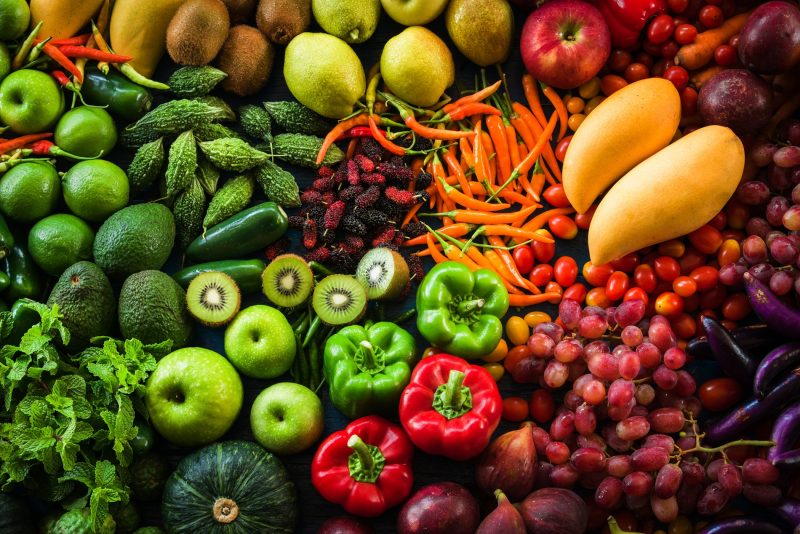
Spain ranks as the leading fruit and vegetable producer in the European Union and ninth worldwide, with production reaching 31.6 million tonnes in 2024. This is according to the latest consolidated FAOSTAT data, corresponding to 2024 and analysed by FEPEX.
Global production totalled 2.131 billion tonnes and includes fresh fruit and vegetables, as well as grapes for wine production and tomatoes for processing. The figures do not include bananas or nuts.
China accounts for a large share of global production
The global ranking is led by China, which produced 843.7 million tonnes, followed by India, with 246.3 million tonnes. At a considerable distance are the United States, with 69.6 million tonnes; Türkiye, with 59.8 million; Brazil, with 44.8 million; Egypt, with 42.2 million; Mexico, with 39.7 million; and Russia, with 36.8 million.
Spain ranks ninth worldwide, with 31.6 million tonnes, slightly ahead of Indonesia, which recorded 31.1 million tonnes.
Within the European Union, Italy ranks 12th worldwide, with 29.6 million tonnes. France is 15th, with 22.3 million tonnes, while Germany ranks 20th, with 18.6 million tonnes.
Spain’s position is particularly significant given the weight of specific crops within EU production and the diversity of its fruit and vegetable supply.
Tomatoes and grapes among Spain’s main crops
Tomatoes account for one of Spain’s largest production volumes, reaching 4.6 million tonnes in 2024. The figure includes both tomatoes destined for the fresh market and those intended for processing.
Grape production reached 5.4 million tonnes, although the statistic also includes grapes destined for wine production. In citrus, Spain produced 2.9 million tonnes of oranges and 1.8 million tonnes of mandarins, clementines and tangerines.
RELATED NEWS: Almería accounts for 74% of Spain’s cucumber exports
Among stone fruit, peaches and nectarines stand out, with combined production of 1.4 million tonnes, compared with 27.9 million tonnes worldwide.
Spain maintains a strong position in vegetable production
Spain’s production strength is also reflected across a range of vegetable crops. In 2024, the country produced 1.5 million tonnes of peppers, while lettuce and chicory production reached 916,400 tonnes.
Cucumber production stood at 757,790 tonnes, while pumpkins and squash reached 770,770 tonnes. Meanwhile, cauliflower and broccoli production amounted to 671,380 tonnes.
Other significant crops include 1.2 million tonnes of watermelons, nearly 920,000 tonnes of lemons and limes, 594,000 tonnes of melons, 545,000 tonnes of apples and 324,000 tonnes of strawberries.
The FAOSTAT data highlight Spain’s weight in global fruit and vegetable production and, in particular, its leading position within the European Union, supported by a diversified supply spanning citrus, fruit, vegetables and grapes.