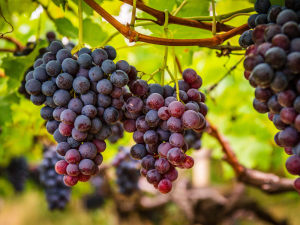









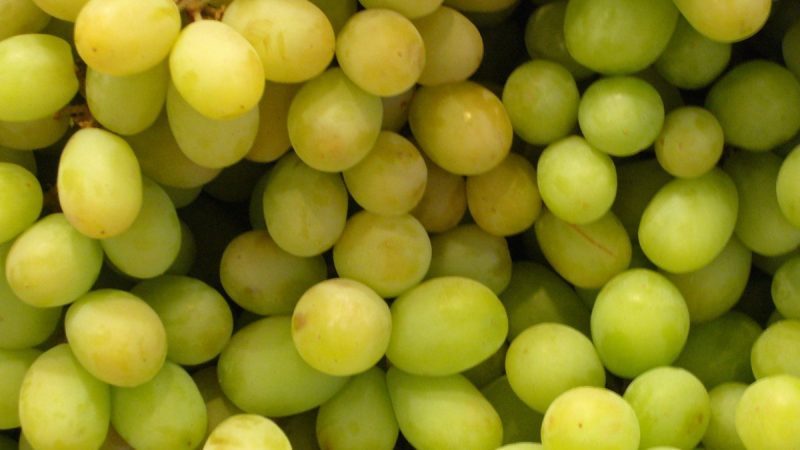
Peruvian table grapes are facing an atypical season, shaped by weather conditions and by a mismatch between the growth in planted area and the final volume expected for export. According to the first estimate by the Peruvian Table Grape Producers Association (PROVID), the country expects to export 82.65 million 8.2-kilo boxes during the 2026/27 season, representing a decline of around 5% compared with the previous campaign.
This figure contrasts with the increase in planted area, which is expected to reach a record 27,000 hectares, compared with 23,748 hectares in the previous season. The difference reflects the impact that weather conditions have had on vineyard productivity, particularly due to the influence of El Niño.
More acreage, but less exportable fruit
The main factor behind the lower exportable production is the effect of the thermal and water-related disruptions associated with El Niño, which have reduced plant yields in different production areas.
PROVID warns, however, that the situation remains dynamic. Weather developments in the producing valleys over the coming weeks will be decisive in adjusting the final forecasts for a season that is already shaping up to be complex.
Previous years call for caution. In seasons affected by similar climate events, such as 2017/18 and 2023/24, Peruvian table grape shipments fell by 13% and 12%, respectively. In the north of the country, declines even exceeded 30%.
Harvest brought forward by 7 to 15 days
In addition to the expected decline in exportable volume, the season will be marked by a general advance in the harvest. According to PROVID, producers in both the north and south of the country expect to begin operations 7 to 15 days earlier than usual.
This shift in the calendar is particularly relevant for an industry whose exports have historically been concentrated between weeks 41 and 13, the period in which Peru places much of its supply on international markets.
The earlier harvest requires adjustments to logistical and commercial planning, especially in an export window that usually runs from October to April. Coordination between field operations, packing, logistics and markets will be key to responding accurately to demand and protecting the value of the fruit.
United States remains the main destination
Despite the climate-related difficulties, Peruvian table grapes maintain a consolidated position in the main international markets. The United States remains the leading destination, accounting for more than half of exports.
It is followed by the European market, with a 22% share, and Latin America, with 16%. Asia and Canada hold smaller shares in the destination mix.
RELATED NEWS: Grapes break the calendar and redraw the global map
Faced with this new cycle, Peruvian exporters are adjusting their strategies to defend the product’s competitiveness, organise supply and respond to a global market that is increasingly demanding in terms of quality, availability and programme fulfilment.
A season under review
The 2026/27 season is therefore set to be a highly variable one for Peru’s table grape sector. The combination of lower yields, increased acreage, an earlier harvest and climate pressure will require constant monitoring of production developments.
PROVID plans to update its estimates as the season progresses and field data becomes clearer. For now, the first forecast confirms that weather is once again a decisive factor in the performance of one of Peru’s main fruit and vegetable export products.