









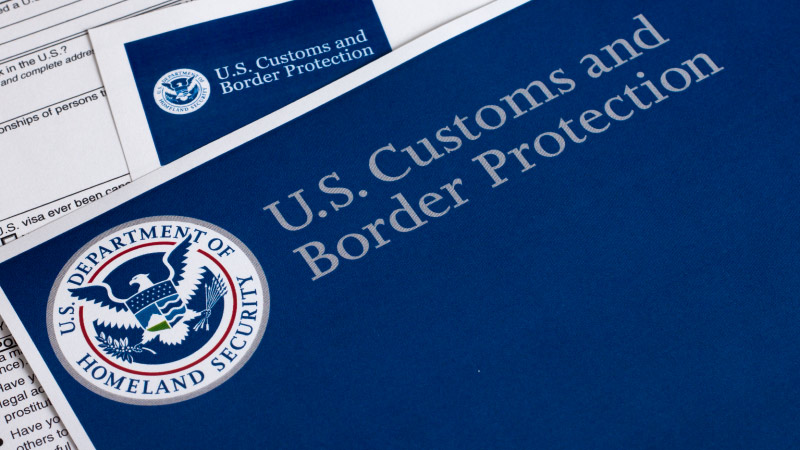
US Customs and Border Protection (CBP) will begin the first phase of payments, targeting a large share of affected companies, with an initial estimated reimbursement of $127 billion.
First phase of repayments
A dedicated online portal will allow around 63% of eligible companies to submit the required documentation to claim refunds for tariffs imposed under the International Emergency Economic Powers Act (IEEPA) of 1977.
This initial stage will focus on tariff payments that are still under federal review and have not yet been fully settled. Once applications are approved, authorities expect refunds to be processed within 60 to 90 days.
The system, known as CAPE, will later be expanded to include older payments that have already been finalised.
Legal and business context
In a 6–3 ruling, the US Supreme Court determined that the former administration did not have the authority to impose these tariffs in peacetime under the IEEPA framework.
Following the decision, more than 3,000 companies, including major corporations such as Costco and FedEx, have taken legal action to secure reimbursement. Several of these cases had already been filed prior to the Court’s ruling.
RELATED NEWS: Trump lifts tariffs on a wide range of fruits
During the period in which the tariffs were in force, companies were forced to absorb higher costs, reduce imports, or pass the increases on to consumers. According to experts, consumers are not expected to receive compensation for the higher prices paid on affected goods.
Ongoing tariff framework
Despite the ruling, a temporary 10% global tariff remains in place under Section 122 of the Trade Act of 1974. Introduced on 24 February, the measure is set to expire after 150 days, on 23 July, unless extended by Congress.
The Supreme Court decision also affects the so-called “reciprocal” tariffs imposed on key trading partners, as well as additional 25% duties on imports from Mexico and Canada, originally introduced to address issues related to fentanyl trafficking.