






On the other side of the screen, however, fans are subjected to a constant barrage of advertising encouraging them to consume sugary soft drinks, beer, burgers, pizzas, chips and other ultra-processed foods. The menu sold by the World Cup is certainly not the one followed by its players.
Advertising links these products with emotion, victory, the national team and a sense of belonging. Coca-Cola has been an official FIFA World Cup sponsor since 1978, and its agreement with FIFA runs until 2030.
Even hydration breaks have created additional commercial opportunities around matches. The health of the footballer justifies the pause; the advertising machine makes sure it is monetised.
And advertising works. A study of the UK broadcast coverage of 13 matches during the 2018 World Cup recorded around 7.5 billion brand impressions for food and drink products high in fat, sugar or salt. Of these, 759 million reached children under the age of 16.
RELATED NEWS: Spain also competes among the world’s fruit and vegetable leaders
Major sporting events do not inevitably have to lead consumers towards junk food. The Super Bowl shows that a fruit and vegetable product can also become part of the ritual. In the four weeks leading up to the 2026 edition, the United States imported more than 137 million kilos of Mexican avocados, approximately 20% above the historical average. Guacamole has succeeded in claiming its own place within the American sporting celebration.
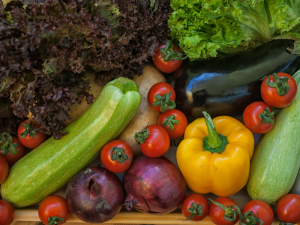
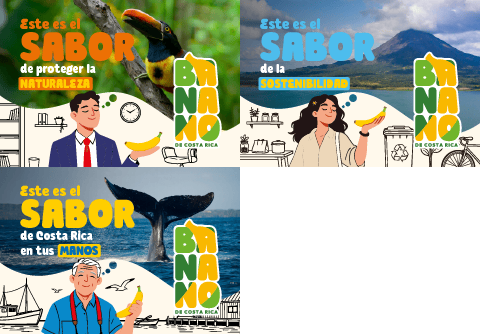
The fruit and vegetable sector produces the foods that best represent vitality, performance and a balanced diet, yet it has not always succeeded in turning them into recognisable cultural symbols.
Alternatives need to be built: joint campaigns, simple recipes, convenient formats, cut produce, fruit skewers, salads, ready-to-eat fruit and other propositions capable of competing with the ease of a pizza or burger. Avocados have shown that it is possible to take ownership of a specific consumption occasion.