










The heatwaves affecting Europe are not only having an impact on health and energy consumption. They are also influencing the way consumers buy, store and consume food. With the arrival of summer, households tend to opt for fresher, lighter and easier-to-prepare products, such as fruit, vegetables, salads and cold dishes — precisely some of the foods most sensitive to deterioration when temperatures rise.
This shift in consumption habits makes summer a particularly sensitive period for food waste. More spontaneous shopping, changes in routine, holidays, meals outside the home or transporting food without proper storage conditions can result in products that are still fit for consumption ending up in the bin before being used.
Against this backdrop, Phenix, a company specialised in the management of food surplus, points out that reducing food waste in summer requires understanding how purchasing habits change when the heat arrives, as well as identifying which foods need better planning to avoid being wasted.
How changing routines affect food waste in summer
Rising temperatures are not the only factor. In summer, the risk of food waste is also influenced by changes in routine, such as holidays, travel, meals away from home and last-minute plans. These habits can make household planning more difficult, lead to purchases that are less aligned with actual consumption and cause some fresh products to remain uneaten for too long.
This is compounded by the need to pay particular attention to food storage during the warmer months. The Spanish Agency for Food Safety and Nutrition reminds consumers that, in summer, it is essential to maintain the cold chain during outdoor meals by keeping food refrigerated until it is consumed.
Therefore, when spending the day at the beach, in the countryside or having a picnic, it is advisable to use a portable cooler with ice packs to properly preserve fresh products and prevent them from spoiling prematurely.
It is also recommended to minimise the time between purchase and refrigeration, sort food upon arrival at home according to whether it requires no refrigeration, refrigeration or freezing, and organise the fridge so that products with a shorter shelf life are consumed first.
In this regard, applying the first in, first out rule — placing products that need to be consumed earlier at the front — can be a simple way to make better use of food and reduce household waste.
Fruit, vegetables and cold dishes: the foods most exposed to waste
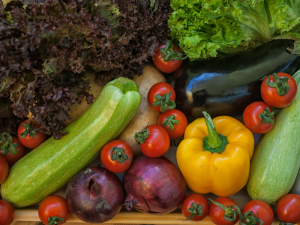
The foods that become most prominent during the warmer months are also among those most frequently wasted. According to the latest available data from the Spanish Ministry of Agriculture, Fisheries and Food, fruit accounts for 32.4% of unused products wasted in Spanish households, while vegetables account for 13.8%. Together, these two categories represent almost half of all unused food wasted at home.
This figure is particularly relevant in summer, when consumption of fresh, light and seasonal foods increases. Fruit, vegetables, salads, gazpachos and cold dishes form part of a shopping basket better suited to hot weather, but they also require greater planning to prevent them from ripening too quickly, deteriorating or not being consumed in time.
RELATED NEWS: Spain, a model in the fight against food waste
Food waste does not only affect unused products. In the case of prepared dishes, Ministry data also identifies salads and vegetable-based dishes among the recipes with the highest share of household food waste. This reinforces the importance of adjusting quantities and properly storing common summer preparations.
Other fresh foods frequently consumed at this time of year, such as dairy products, fish, meat, eggs, sauces and cooked leftovers, also require proper refrigeration to maintain their quality and safety. In these cases, the risk of waste is not only linked to buying more than necessary, but also to inadequate storage or loss of control over the cold chain.
“Food waste does not depend only on what we buy, but also on how we store it and when we consume it. We are at a time when heatwaves are becoming increasingly frequent, and it is essential to pay more attention to fresh and perishable products, adjust quantities to real summer routines and prevent food that is still fit for consumption from ending up in the bin,” said Alejandro Andreu, Head of Iberia at Phenix.