





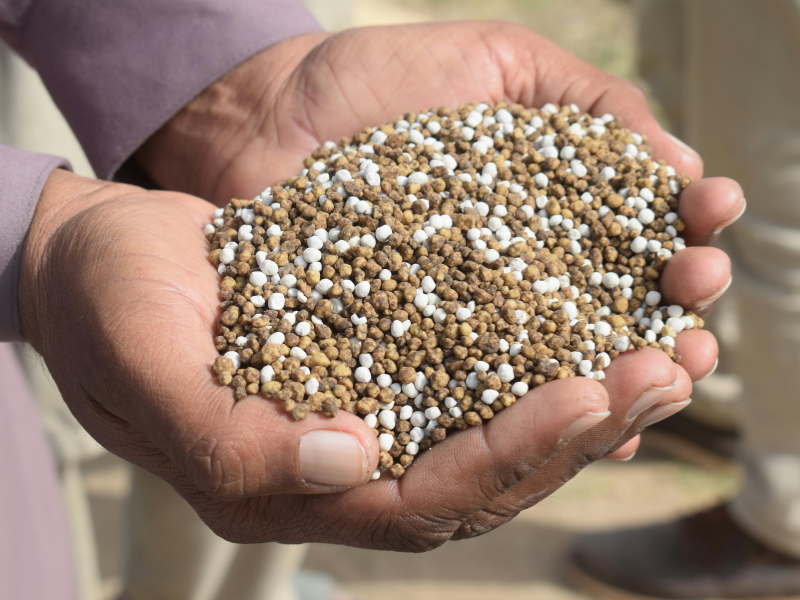
The measure, which affects certain nitrogen fertilisers and raw materials such as urea and ammonia, is expected to save around €60 million in import duties for EU farmers and the fertiliser industry, according to European Commission estimates. It also seeks to encourage greater diversification of suppliers.
The suspension will apply only to products that do not already enter the EU market duty-free under preferential agreements.
It will be limited to a quota equivalent to the volume of imports subject to the most-favoured-nation regime in 2024, plus 20% of purchases made that same year from Russia and Belarus, the Council said in a statement.
The exemption will not benefit products imported directly from Russia or Belarus, in line with the European strategy to reduce dependence on both countries following Russia’s invasion of Ukraine.
RELATED NEWS: FAO: Prolonged Hormuz crisis threatens global agri-food supply
“This decision provides European farmers with better access to affordable and reliable fertiliser supplies,” said Makis Keravnos, Minister of Finance of Cyprus, whose country holds the rotating presidency of the Council of the EU.
The final adoption of the measure comes after the European Commission proposed an additional action plan to reduce dependence on fertiliser imports and increase production within the EU. The package includes short- and long-term measures, as well as financial support for farmers before next summer to help secure supply.
This measure will enter into force the day after its publication in the Official Journal of the European Union and will apply for one year. During this period, the Commission will monitor developments in the fertiliser market to assess possible adjustments or an eventual extension.