








Global production is expected to decrease, largely due to a weaker crop in Brazil, the world’s leading supplier. However, this supply contraction is unlikely to rebalance the market, as consumer demand remains subdued and retail prices continue to stay at elevated levels.
The resulting imbalance is expected to prolong pressure on prices and margins, affecting growers, processors and retailers alike.
Following a temporary recovery in 2025/26, global orange juice production is forecast to decline by around 13% in the coming season.
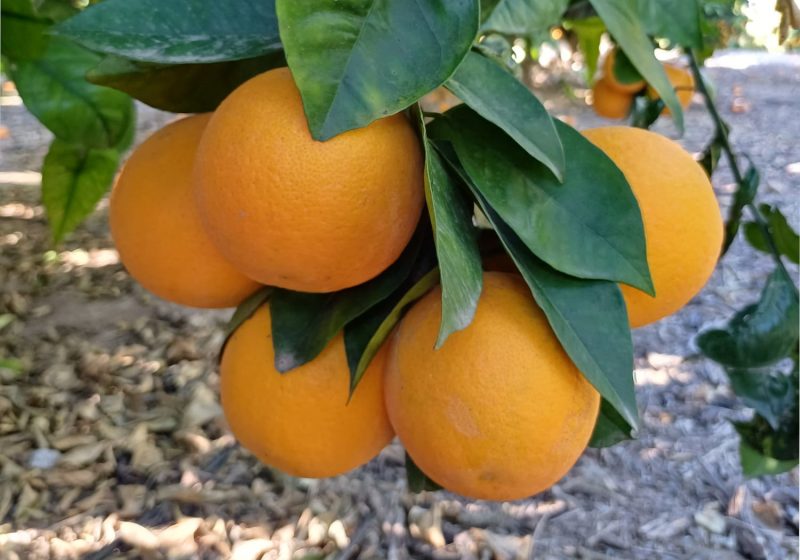
Brazil is expected to harvest a smaller crop due to adverse weather conditions and the continued spread of citrus greening disease. Other key producing regions, including Mexico, the United States and the European Union, are also facing production challenges, further reinforcing the global supply contraction.
Structural challenges continue to weigh on production
“The increasing incidence of disease, rising production costs and growing weather volatility are contributing to lower yields and higher fruit losses,” explains Andrés Padilla, Senior Analyst at RaboResearch.
“These pressures are creating long-term concerns about the sustainability of production, particularly in Brazil’s citrus belt, where the industry is adapting through geographical expansion and intensified disease-management strategies.”
Consumption continues its downward trend
Global orange juice consumption is expected to contract by a further 3% in 2026/27, extending a decline that has now lasted for more than a decade.
Despite a correction in global orange juice commodity prices since 2024, retail prices in key markets such as the United States and Europe remain close to historic highs.
This disconnect is weighing on consumption, as consumers respond to broader inflationary pressures by reducing purchases or switching to lower-cost alternatives.
Retailers and bottlers appear to be prioritising margins over volume, helping to maintain elevated shelf prices.
Inventories reach a seven-year high
The combination of declining demand and still-insufficient supply is leading to a continued build-up of inventories.
Global stocks are expected to reach their highest level in seven years by the end of the 2026/27 season.
These elevated inventory levels are likely to limit any sustained recovery in orange juice prices, even if production continues to decline.
Lower commodity prices are already affecting farm economics. In Brazil, spot orange prices have fallen from recent peaks and are now below production costs for many growers.
“Global FCOJ prices are expected to struggle to recover sustainably unless market conditions change due to lower-than-expected supply or a rebound in demand,” says Andrés Padilla.
RELATED NEWS: Brazil boosts juice shipments to Spain
A fragile outlook
Over the next 6 to 18 months, the global orange juice market is expected to remain characterised by weak demand, high inventories and fragile pricing dynamics.
Key risks include further deterioration in consumer demand, persistently high retail prices and the continued spread of citrus greening disease.