










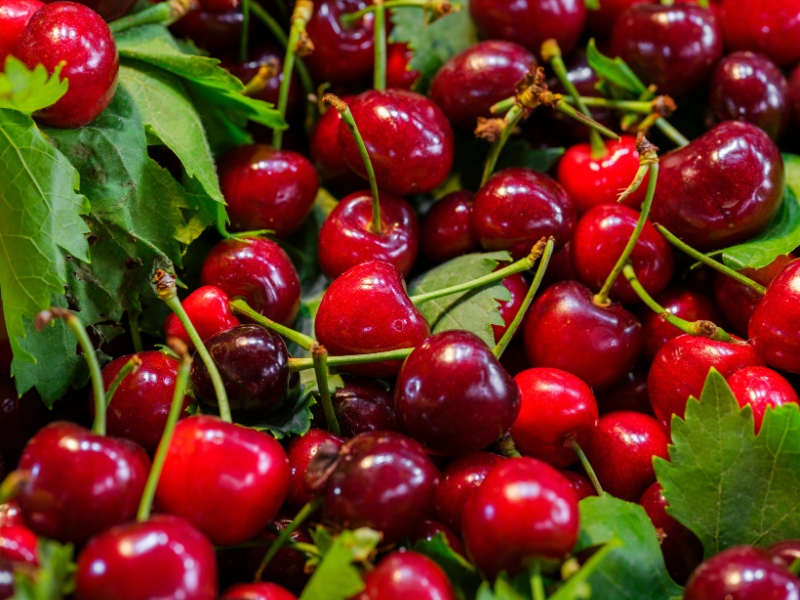
The decision comes after two consecutive seasons of negative results in the cherry division, a business highly exposed to developments in the Chinese market, the main destination for Chilean cherry exports. Against this backdrop, the company has opted to reinforce its specialisation in blueberries, raspberries and other berries.
A strategic portfolio review
The decision was communicated at the end of May by Pablo Klagges, general manager of Hortifrut Chile, in a letter sent to associated growers. In the communication, he explained that the exit from the cherry business forms part of a review of the company’s operations and production portfolio, aimed at strengthening its strategic focus.
According to figures published by Chilean newspaper La Tercera, cherry orchards account for 5.6% of Hortifrut’s planted area in Chile, with 240 hectares out of a total of 4,234 hectares. Despite their limited weight within the company’s overall structure, cherries were the only segment to record operating losses during the first quarter of the last two seasons.
Losses in the cherry division
During that period, the cherry business generated revenues of US$13.9 million, compared with operating costs of US$17.2 million, resulting in operating losses of US$3.4 million.
RELATED NEWS: Hortifrut achieves B Corp Certification worldwide
By contrast, the company’s consolidated operating result reached US$53.4 million, highlighting the different performance of its core berry operations compared with the cherry business.
Gradual exit to reduce impact
Hortifrut has stated that the withdrawal process will be carried out gradually, with the aim of minimising the impact on workers, teams and growers linked to the activity.
The company also said that communicating the decision in advance to its partners is intended to help them reorganise their production plans and seek new commercial alternatives.
Focus on berries
Founded in Chile in 1983, Hortifrut has become one of the world’s leading berry exporters. With this decision, the company reinforces its commitment to a segment in which it holds a strong leadership position.
The move comes as the Chilean cherry industry faces a more complex environment, marked by growing supply and increasing commercial difficulties in China, a market that has been decisive for the expansion of the category in recent years.