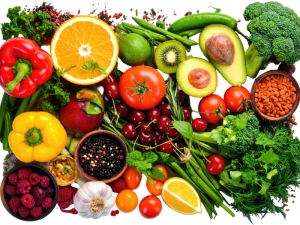










Around 83% of the fruit and vegetables consumed in Ireland are currently imported, according to the Climate Change Advisory Council’s Annual Review 2026.
The report also highlights the decline in domestic production. The number of commercial vegetable growers on the island has fallen to fewer than 70, compared with more than 600 in the 1990s.
Against this backdrop, Macra has called for urgent measures to protect domestic production capacity and strengthen food security.
Climate change increases dependence on imports
The CCAC warns that extreme weather events could lead to crop failures in supplier countries and disrupt international logistics chains, increasing Ireland’s exposure to potential supply shortages.
Macra National President Josephine O’Neill welcomed the fact that the organisation had highlighted the risks associated with the country’s heavy reliance on imports.
“Climate change is creating greater uncertainty for farmers internationally, and we cannot take secure and affordable access to imported food for granted,” she said.
According to O’Neill, strengthening food security also requires maintaining Ireland’s own capacity to produce food.
Rising costs continue to put growers under pressure
Macra also points to the significant increase in costs currently affecting horticultural businesses.
Over the past year, horticultural input costs rose by 3.9%, while fruit production costs increased by 7.5% and vegetable production costs by 4.7%.
RELATED NEWS: Farmers lead fuel protests in Ireland
O’Neill said these increases are having a direct impact on business viability and making it more difficult for young farmers to see a future in the sector.
The report itself identifies low prices, retail pressure, high start-up costs, labour shortages and international competition among the factors behind the decline in the number of horticultural producers.
Generational renewal and food security
Macra believes that adapting to climate change must be accompanied by sufficient financial and practical support for growers.
“For young farmers in particular, we need to make domestic food production, particularly fruit and vegetable production, a viable and attractive career,” O’Neill said.
The organisation therefore argues that climate resilience, food security and generational renewal should be addressed together, rather than as separate policy challenges.
An example of the sector’s potential
Macra points to Dublin horticulturalist Shane Halpin, named FBD Young Farmer of the Year 2026 after developing his cucumber business Welgro Produce, as an example of the opportunities available to young growers.
The company supplies Irish-grown cucumbers to retail, wholesale and foodservice customers.
According to O’Neill, Halpin’s experience demonstrates what younger growers can achieve in horticulture, while also underlining the need for an economic environment that encourages new entrants.
“He is exactly the type of young farmer we need to see more of in Irish horticulture,” she concluded, warning that continuing economic pressure must not undermine the next generation of Irish growers.