








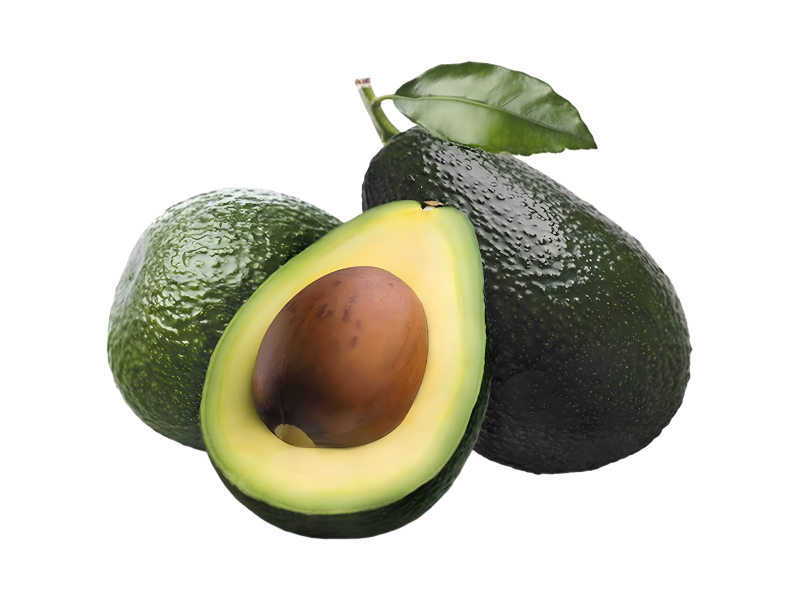
According to data from the Spanish Ministry of Economy, Trade and Business via DataComex, purchases of avocados from Peru reached 169,596 tonnes in 2025, representing a 23.38% increase compared to the previous year. This figure contrasts with the 39,159 tonnes imported from Morocco, the second-largest supplier, confirming the growing dominance of Latin American origins.
This growth is not a one-off. In just six years, imports from Peru have risen from just over 54,000 tonnes in 2019 to nearly 170,000 tonnes today, reflecting a clear upward structural trend.
An increasingly competitive market
Spain, the leading avocado producer in the European Union, has expanded its cultivated area in recent years, particularly in Andalusia —with a strong presence in La Axarquía and the Costa Tropical— as well as in emerging regions such as Cádiz, Huelva and the Valencian Community. National production has grown from around 50,000 tonnes in the 1990s to more than 110,000 tonnes in recent years.
However, this growth has not prevented a loss of market share within Europe. The rise of third-country suppliers, operating with lower production costs and fewer regulatory constraints, is intensifying competition and putting pressure on farm-gate prices.
While Morocco has attracted much of the sector’s attention due to its rapid expansion —with exports now exceeding 140,000 tonnes— the advance of Peru has been quieter but equally decisive.
Timing, a key factor in market pressure
One of the main factors explaining the impact of Peruvian avocados is their production calendar. Exports from Peru are concentrated between April and October, with a peak from May to September, coinciding with the final phase of the Spanish campaign.
RELATED NEWS: South Africa boosts avocado exports as production rises
In Spain, harvesting runs from October to June, with the main production window between November and March. This partial overlap is forcing Spanish growers to bring forward their harvests to avoid competing directly with the large influx of South American fruit, which is generally sold at more competitive prices.
The increase in Peruvian imports in 2025 —which rose by more than 32,000 tonnes compared to the previous year— highlights the extent to which this origin is shaping market dynamics.
A new landscape for the European avocado market
The rise of Peru is reshaping the avocado market in Spain and across the European Union. Although domestic production continues to grow, pressure from imports is pushing the sector to adapt to a more globalised environment, where timing, costs and logistics are becoming increasingly decisive factors.