









Berries are becoming increasingly popular among Mexican consumers and across Latin American markets. Strawberries, blueberries, raspberries and blackberries are part of a category that continues to expand, alongside growing interest in where they come from, how they are produced and what determines their characteristics.
A sweeter strawberry, a firmer blueberry or a more aromatic raspberry is not simply the result of chance. The answer begins long before the fruit reaches the table: in the field.
Four factors, one result
Soil, climate, genetic variety and crop management are the four factors that explain the differences between one fruit and another. Together, they shape the identity of each berry and determine many of the attributes we recognise when we taste it. In agriculture, this combination of elements is known as terroir.
Although the concept is often associated with wine, it is increasingly used to understand why berries develop different characteristics in terms of flavour, aroma, colour and texture depending on the conditions in which they are grown. Each element therefore plays a specific role in the final result.
Everything starts beneath the surface. Soil composition and the way roots develop and access water and nutrients directly influence plant growth. Climate, meanwhile, accompanies every stage of the crop: temperatures, rainfall and seasonal variations can affect growth and ripening periods. Variety also plays a key role, with genetics determining different expressions of sweetness, acidity, firmness, size and aroma.
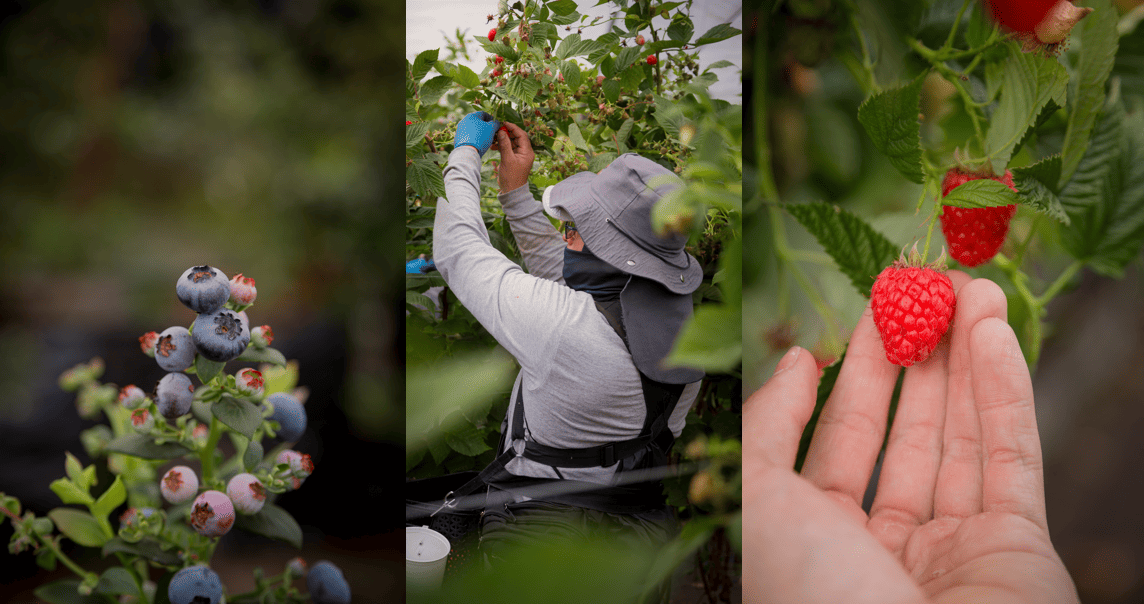
Behind all these factors lies the way the crop is managed and, above all, the knowledge of those who work in the field. Farmers’ experience, their understanding of the land and the decisions they make throughout the production process all leave their mark on every harvest.
Nothing happens in isolation. Everything that takes place in the field is ultimately reflected in the fruit that reaches Mexican households.
Looking back to the origin
For Mexico, where the berry industry continues to grow, understanding these factors helps to highlight both the opportunities and the challenges facing the country as a producing region.
“When we eat a berry, we think about its flavour, but we rarely think about everything that happened before it reached us. We want to bring people closer to that part of the story and help them recognise everything behind a berry crop: where the fruit grows, who cultivates it and everything that happens before we can enjoy it,” explains Juan Pablo Donoso, Ecommerce Manager for Berry House Latin America.
RELATED NEWS: Berries prepare for their XI International Congress
This perspective has given rise to “Crónicas del Terroir”, a Berry House initiative that travels through different producing countries in the region, including Mexico, Colombia, Brazil, Chile and Peru, to explore the conditions that make each territory unique, its particular characteristics and the stories of the people behind each crop.
Much more than a fruit
A berry may look small and simple, but before it reaches our hands, it has been shaped by an ecosystem, a specific geography, knowledge and a series of decisions. This connection between nature and agriculture is one of the great strengths of berries produced in Mexico.
Understanding berry terroir means looking beyond flavour. And in a category that continues to grow in the country, knowing where the fruit comes from is becoming increasingly relevant for a new generation of consumers, for whom choosing what to eat also means understanding the process behind each food.
Because knowing what we eat is also a way of getting closer to the land that makes it possible — and discovering that, to understand a flavour, we need to go back to where it all began.