








From Mercamadrid, Jesús López, from CMR Madrid, analyses market trends, the growing weight of certain product lines in distribution compared to traditional wholesale sales on the market floor, and the strategic role of products such as bananas, plantains and counter-season campaigns in driving the company’s activity.
Are we experiencing a period of geopolitical uncertainty? How does this affect a company with a strong import-export activity?
External tensions have emerged that are generating a temporary uncertainty in day-to-day operations and processes. Egypt has now started exporting citrus, but given the current geopolitical situation, we do not know how conflicts may affect these exports.
The entire region is going through complex times, which creates a lot of uncertainty. The sector is closely monitoring how this may impact trade flows.
In addition, maritime transport is being affected by the situation in the Red Sea. Some shipping lines are choosing to reroute around Africa, which adds between 10 and 12 days to transit times and, clearly, increases logistics costs.
How would you describe current market trends?
The market is going through a complex moment, that is the reality. However, managing a wide range of product lines allows us to balance volumes and therefore maintain a positive overall commercial dynamic.
We also benefit from counter-season campaigns, which provide added value. These are usually higher-priced campaigns, helping us balance figures during challenging periods such as the current one.
And what about the avocado and grape campaigns, products you handle in significant volumes?
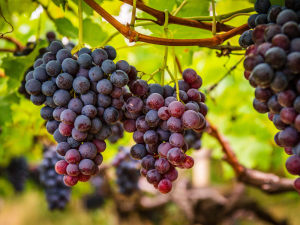
Yes, we are in the final stages of the Peruvian grape campaign and beginning the transition to South Africa, mainly with grapes and also some stone fruit.
Is grape one of the products that continues to grow in consumption?
It is clear that grape sales volumes are increasing, partly due to an average selling price below that of the previous campaign, which is undoubtedly making the product more attractive to end consumers.
And during the domestic season?
During the domestic season, we mainly work with Spanish apples and citrus.
How are citrus performing?
We have been experiencing low prices for years, which undoubtedly affects farm profitability and raises concerns among growers.
Lemons, for example, are experiencing a significant drop in prices this season, making production less viable.
Our role as wholesalers is to defend the value of production in the market, acting as agents and advocates for growers despite market challenges and constraints.
How is traditional market floor sales performing?
Wholesale stands remain important because they also function as a showcase, allowing products to be displayed to visitors passing through the market. However, relying exclusively on traditional market floor sales is increasingly difficult.
RELATED NEWS: CMR GROUP will market the first sea container of cherries of the season in Europe
In our case, we also work with distribution and collaborate with supermarket chains, which provides essential support to traditional sales.
How are exotic products performing?
Exotic fruits have their peak season in December, which is the strongest month. During the rest of the year, they maintain niche sales, concentrated in specific consumer groups and sales channels.
There are products, such as tamarind, that have demand but lack the capacity to generate large volumes.
Is Infinita your citrus brand?
Yes, it is a benchmark brand in the citrus sector, supported by the consistent and reliable quality of its offering over many years.
We also work with other brands such as Banarica for bananas, Cosarica for melons and watermelons, and Aurum for avocados. We are committed to strengthening and developing our own brands.
What is the current trend in the banana and plantain market?
Average prices are slightly below last year, but we operate very efficiently in both banana and plantain. These are very important products for us.
We ripen and market around 25 million kilos per year, making this a strategic business line for the company.
Are your ripening facilities located in Madrid and Barcelona?
Yes. In total, we have 59 ripening chambers, 36 in Madrid and 23 in Barcelona. Under the careful supervision of our technical teams, we ripen fruit to different stages depending on demand and customer preferences.
Is there anything you would like to highlight from this interview?
We are strongly focusing on bananas and plantains, as well as upcoming imported citrus campaigns.
We continue to promote our own brands through commercial and communication actions. The objective is clear: to maintain our growth dynamic through commercial agreements with our supplying partners, allowing us to cover all supply windows throughout the year and offer a wide and diverse product range through an international and diversified sales network.