











Experts stress that proper nutrition, regular physical activity —especially strength training—, rest, stress management and well-founded strategic supplementation can help preserve cognitive performance, maintain bone density and reduce the risk of chronic diseases such as diabetes, cardiovascular disorders and metabolic conditions.
Dr Hugo Palafox, an expert in dietetics and nutrition and Global Vice President of Scientific Affairs at Immunotec, underlines that healthy ageing is not about “stopping time”, but about preserving cellular and metabolic function for as long as possible.
The impact of habits on longevity
According to Palafox, the impact of lifestyle on preventing and delaying the consequences of ageing is well documented. “A healthy lifestyle helps preserve cognitive performance, reducing age-related decline. It also helps us maintain bone density, especially when proper nutrition is combined with strength training,” he says.
The expert also points out that preserving muscle mass is essential for maintaining mobility, independence and quality of life over the years. In this sense, good habits influence not only disease prevention, but also personal autonomy and the ability to continue carrying out daily activities.
Physical activity as a functional pillar
Physical activity is one of the main pillars of healthy ageing. Its role goes beyond maintaining the body: it also contributes to cognitive, emotional and functional development.
Physiotherapist Iván Crespo explains that the human body responds to stimuli. “If you move and train, you are telling your body and your mind that you still need them to be strong, energetic and mentally sharp. And the body adapts to that,” he says.
According to Crespo, the physiological adaptations derived from exercise help preserve muscle, activate the brain and regulate inflammation associated with ageing. In older adults, exercise programmes are considered a key strategy for maintaining functionality, autonomy and quality of life.
Strength, coordination and fall prevention
Physical activity programmes aimed at older people should go beyond light exercise. Crespo recommends working on different functional capacities, such as strength, coordination, agility and reactivity.
“All of this is what really protects us, especially when it comes to preventing falls,” he stresses.
Muscle strength therefore plays a central role, not only because of its link with movement, but also because of its connection with metabolic health, the prevention of sarcopenia and the ability to maintain an independent life.
Natural foods and metabolic health
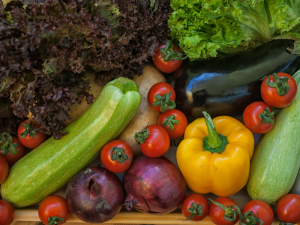
Alongside exercise, diet is another key factor. A balanced diet helps preserve physical functionality, strengthen muscles and bones, prevent the loss of muscle mass and reduce the risk of chronic diseases.
According to Dr Palafox, dietary patterns such as the Mediterranean diet and diets rich in natural and minimally processed foods are consistently associated with greater longevity, lower inflammation and better metabolic and cognitive health.
Among the most relevant nutrients, the expert highlights healthy fats, such as omega-3, for their role in brain and cellular function; antioxidants found in fruit and vegetables, for their ability to combat oxidative stress; and fibre, for its importance in intestinal and metabolic health.
The role of glutathione and cellular protection
Palafox also emphasises the importance of supporting the body’s internal antioxidant systems, especially cellular glutathione, which plays a central role in cell protection.
From a certain age, the body may lose part of its ability to absorb, synthesise and use certain nutrients. In this context, supplementation can become a complementary tool within an integrative health approach.
Crespo notes, however, that the basis should always be a good diet. “Although the foundation must always be proper nutrition, it is often not enough to cover what the body really needs,” he says.
Strategic supplementation and scientific evidence
Some studies have presented early evidence in humans supporting the feasibility of using supplementation with glutathione precursors to modulate biomarkers of chronic systemic inflammation. However, experts stress that further research is still needed to clarify its clinical relevance in healthy ageing and the prevention of age-related chronic diseases.
In this regard, nutritional supplements such as Immunocal, by Immunotec, provide bioavailable cysteine, the limiting amino acid for glutathione synthesis. According to Palafox, these products have been evaluated in several clinical studies in humans.
RELATED NEWS: Outdoor activity linked to higher fruit&veg consumption among children
“Maintaining adequate glutathione levels is associated with better immune function, lower oxidative stress and better overall cellular health,” he says.
Consistency as the real differentiating factor
Beyond exercise, diet or supplementation, experts agree that the key lies in consistency. To achieve lasting results, it is not enough to apply isolated measures; healthy habits must be maintained over time.
“The body does not understand bursts of motivation. It understands what you do every day,” Crespo argues.
The physiotherapist recalls that factors such as constant stress, poor sleep or insufficient recovery can limit the body’s ability to adapt, even when nutrition and training are adequate.
Ultimately, healthy ageing requires an integrated approach that combines movement, nutrition, rest, emotional management and, when appropriate, evidence-based supplementation. It is not about stopping the passage of time, but about living more years with better functionality, independence and quality of life.